Proposed Fixed Network Charges Threaten Solar Benefits, Spark Equity Concerns
February 9, 2026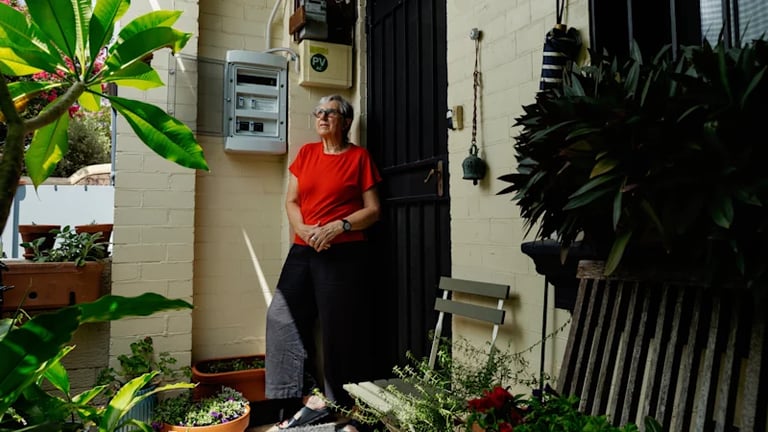

The proposal to move from variable to fixed daily network charges could raise typical solar-and-battery household bills by roughly $400–$700 annually, with low-income households seeing increases around $100–$200, raising clear equity concerns.
Analysts warn that fixed charges would hit low-energy users, pensioners, rooftop solar owners, and smaller or energy-efficient households hardest, while high-energy users could see net savings of about $100–$200 for low-income households and $400–$700 for solar/battery households.
Supporters argue fixed charges would eliminate cross-subsidies, ensure funds for network capacity, and align with cost-reflective tariffs that protect investor interests.
Industry analysis suggests fixed network charges would erode the financial benefits of installing solar and batteries, extend payback periods, and potentially reduce uptake and emissions reductions.
Energy Minister Chris Bowen invites feedback during the consultation, emphasizing reforms should deliver cheaper bills.
The policy echoes the 2012 Power of Choice reform, which introduced time-of-use tariffs to curb costly network capacity expansions, a framework supported by regulators to avoid expensive capacity investments.
The government has previously incentivized battery uptake with rebates, which spurred a surge in installations (roughly 183,000 units in the latter half of last year, four times 2024).
Voices from affected groups include Sydney resident Jane Fisher, who worries fixed charges could deter solar adoption, and Solar Citizens, which argues the move punishes low-energy users and undermines solar investments.
AEMC proposals aim to shift residential charges from usage-based to a substantially higher fixed daily network charge, potentially increasing costs by up to 350–500% depending on the network area.
Analyses cite surveys and data from Energy Consumers Australia, ABS, the Clean Energy Regulator, and a 2023 Green Energy Markets study to illustrate inequities across household archetypes.
Proponents contend the reform would be fairer and more economically efficient by charging for peak network capacity rather than consumption, while critics warn it would disproportionately burden low-income households.
Some analyses argue low-income households already consume less electricity, so fixed charges could worsen affordability for the poor while benefiting wealthier households and solar/battery owners.
Summary based on 2 sources
Get a daily email with more Australia News stories
Sources

The Sydney Morning Herald • Feb 7, 2026
The power bill change that will sting low-earners $200 more