Gut Microbiome's Role in Aging: Mouse Study Reveals Links to Cognitive Decline and Potential Human Applications
March 11, 2026

Aging-related cognitive decline in mice is linked to gut microbiome changes, notably a rise in Parabacteroides goldsteinii, which triggers gut inflammation and dampens vagus nerve signaling to the brain, reducing hippocampal activity and memory formation.
Researchers see a possible path to humans, with interest in non-invasive monitoring and control of peripheral neurons to influence memory; FDA-approved vagus nerve stimulation for other conditions suggests a potential clinical route, though human trials are still needed.
The study situates its findings within a broader context of neuroscience and microbiome work on interoception, gut-brain communication, and cognitive aging.
A high-level synopsis with access options and related articles is provided, indicating the content isn’t original experimental data accessible without a subscription.
The Nature paper, published on the date, March 11, 2026, is led by Christoph Thaiss and Maayan Levy with Timothy Cox as lead author, reflecting collaborations across multiple institutions and funding from NIH and other foundations.
The article cites numerous references across disciplines, underscoring an interdisciplinary approach to understanding the gut–brain axis in aging.
Experimental breadth includes co-housing, germ-free transfers, antibiotics, phage therapy, metabolite administration, and neural manipulation to establish causality and separate microbiome-driven effects from social factors in cognition.
A News & Views piece places normal aging’s cognitive effects in a broader dementia and age-related brain-change context, discussing how the new results fit into existing literature.
DBA mice lacking functional GPR84 show resistance to 3-HOA–induced cognitive impairment, indicating GPR84 signaling mediates the cognitive effects of certain metabolites.
Although the study is in mice, researchers caution that translating findings to humans is not straightforward due to the complexity of human gut microbiomes and species differences.
Experts warn against overgeneralizing to humans, noting that mouse behavior and physiology, including gut-related behaviors, may not mirror human conditions.
Secreted metabolites from Parabacteroides goldsteinii, especially short- and medium-chain fatty acids like 3-hydroxyoctanoic acid and other MCFA, can reproduce cognitive decline when given orally by dampening vagal and hippocampal activity.
Summary based on 6 sources
Get a daily email with more Science stories
Sources
Nature • Mar 11, 2026
Intestinal interoceptive dysfunction drives age-associated cognitive decline
Nature • Mar 11, 2026
Memory loss is fuelled by gut microbes in ageing mice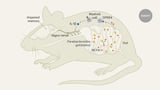
Nature • Mar 11, 2026
Gut microbes affect cognition during ageing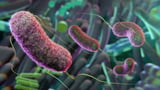
Scientific American • Mar 11, 2026
The gut microbiome may influence brain aging, mouse study suggests