Revolutionizing Chronic Pain Care: Personalized, Holistic Approaches with Neurostimulation and AI
March 12, 2026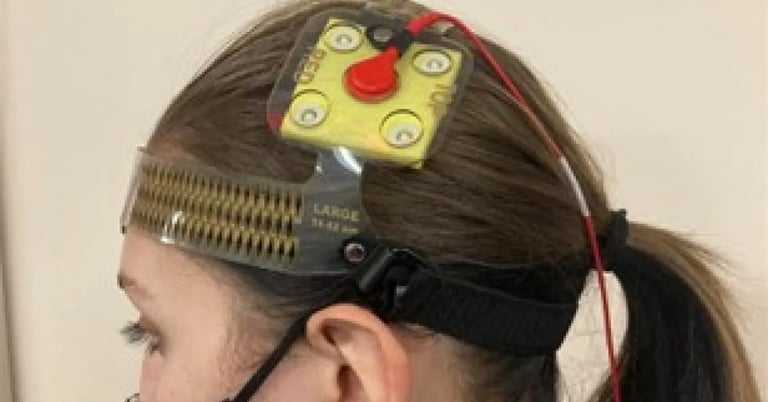

The future of chronic pain care is moving toward personalized, holistic treatment that centers on mind–body connection, emotional well-being, and daily functioning, with technologies like neurostimulation, virtual reality, and artificial intelligence playing larger, integrated roles.
This patient-centered approach treats the whole person—brain, body, social connections, and daily life—rather than just the disease, leveraging emerging technologies to fit individual needs.
Neurostimulation is currently a low-risk FDA-regulated therapy with limited but growing evidence for chronic pain, offered through supervised programs and increasingly accessible for at-home use under professional guidance.
Neurostimulation works by delivering a gentle electric current via a headband to modulate brain pathways, providing a non-invasive, drug-free option that can be used at home under appropriate supervision.
Compared with other treatments, neurostimulation avoids surgery and medications, is generally well-tolerated with mild transient sensations, and enhances convenience through at-home use.
Chronic pain is defined as pain lasting three months or longer or recurring, often tied to conditions unlikely to fully resolve, and individuals should consult a healthcare professional to understand their specific situation.
Chronic pain may be linked to conditions like arthritis, and professional guidance helps tailor management to the individual’s case.
MJHS Institute for Innovation and partners are researching neurostimulation to understand its mechanisms and improve accessibility, including home-based options to fit daily life.
Chronic pain is an illness that affects mood, energy, and daily activities, sometimes accompanied by grief, with emphasis on staying engaged in meaningful life despite pain.
A core theme is integrating emotional and social factors into pain management, expanding at-home treatment options, and exploring how new technologies can be embedded in patient-centered care.
Over the next five years, health systems will work to integrate these innovative tools into patient-centered care, tailoring support to individual needs and ensuring effective implementation.
Summary based on 4 sources
Get a daily email with more Science stories
Sources
Psychology Today • Mar 11, 2026
Psychologists are changing the way your brain processes pain.
Psychology Today • Mar 11, 2026
Psychologists are changing the way your brain processes pain.
Psychology Today • Mar 11, 2026
Psychologists are changing the way your brain processes pain.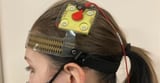
Psychology Today • Mar 11, 2026
Psychologists are changing the way your brain processes pain.