Brisbane's Battle with Fire Ants: Invasion Threatens Public Spaces and Economy Amid Funding Crisis
March 17, 2026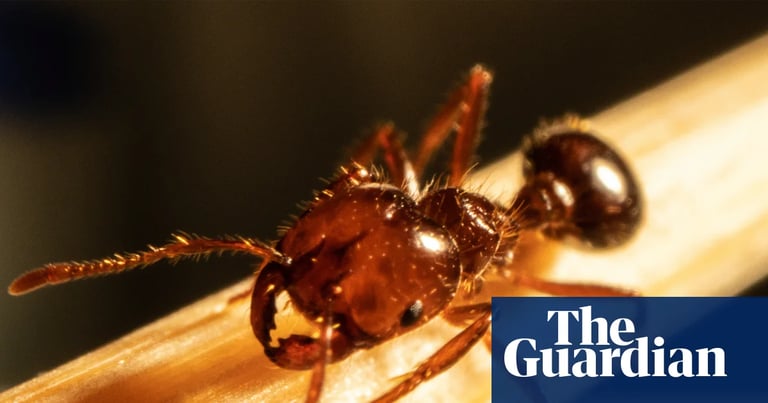

The fire ant invasion in Brisbane traces back to an incursion first detected in 2001, with suppression efforts over the years expanding containment and raising ongoing concerns about broader spread.
Sporting communities across southeast Queensland have felt disruptions beyond New Farm, reflecting the broader social and economic impact of the infestation.
New Farm Park, a heritage-listed and high-profile Brisbane site, became a focal point illustrating how public spaces are at risk and the potential for wider outbreaks if suppression funding lapses.
A Brisbane football match was canceled hours before kickoff due to a fire ant nest in New Farm Park, underscoring the immediate disruption caused by the invasive species.
Advocacy groups warn that state funding for suppression ended in July, risking renewed spread unless funding and ongoing control measures are maintained.
The current infestation covers over 1 million hectares, an area comparable to greater Sydney, signaling a large and expanding threat.
Red imported fire ants are a major invasive threat in Australia, capable of stinging and affecting ecosystems, industries, and daily life, with occasional fatalities from allergic reactions.
Experts question the effectiveness of broad non-specific pesticide programs and suggest that current eradication methods may be insufficient, calling for targeted research and lessons from southern U.S. states where fire ants have caused costs but remain present.
By late 2023, containment zones were increasingly breached, with detections west of the Great Dividing Range and 800 kilometers from the initial infestation, including in central Queensland mines and the Gold Coast hinterland rainforest.
Summary based on 1 source