Study Reveals Brain's Hidden Signals Fuel Overeating Despite Fullness, Highlighting Obesity Challenges
March 2, 2026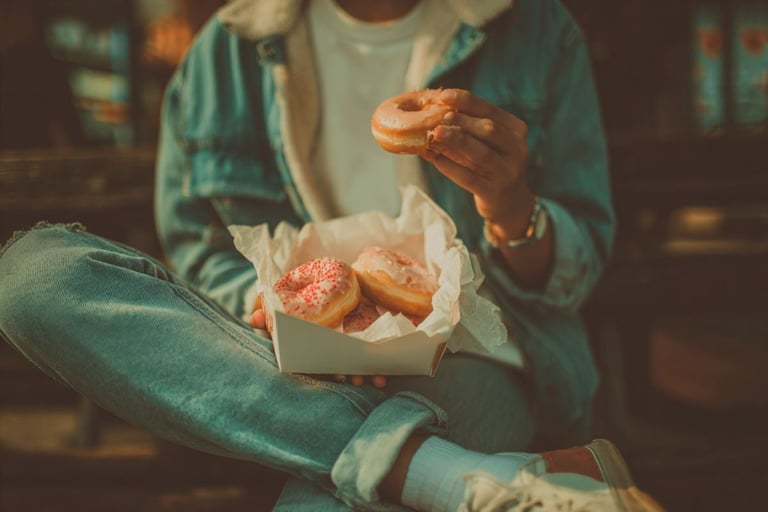

Additional factors like hedonic compensation and distraction during meals may contribute to overeating by reducing satisfaction and increasing the drive for pleasure.
Study overview: Researchers at the University of East Anglia used EEG to monitor brain responses in more than 70 volunteers during a reward-based learning task involving tempting foods.
In the experiment, EEG was used during a reward-learning game with snacks, with 76 volunteers studied and one meal provided halfway through to induce fullness.
Overall, the takeaway is that automatic neural responses to food cues—more than conscious decisions or willpower—drive overeating in modern settings.
Authors suggest this neural wiring may have evolved under scarce food conditions and is now maladaptive in today's environment with constant access to high-calorie snacks.
A new study shows the brain’s reward systems keep responding to food cues even after people feel full and have reduced desire, revealing a neural basis for overeating in food-rich environments.
Two main findings: devaluation-insensitive brain activity persists for images of food despite satiety, and reward signaling occurs independently of conscious self-control or goal-directed choices.
The research was conducted by the University of East Anglia in collaboration with the University of Plymouth, and the original paper appears in Appetite with a DOI link.
Intro note: scientists explore why resisting a donut can feel impossible even when full, amid rising obesity concerns and a new study.
Conclusion: Addressing environmental cues and learned behaviors could be crucial in tackling obesity, rather than focusing solely on discipline.
Summary based on 2 sources
Get a daily email with more Science stories
Sources
New York Post • Mar 1, 2026
Scientists pinpoint why resisting a donut can feel impossible — even when you're full
Neuroscience News • Mar 1, 2026
Why You Can’t Say No to Snacks Even When Full