Africa Expands LNG Exports to Europe Amid Infrastructure and Security Hurdles
March 29, 2026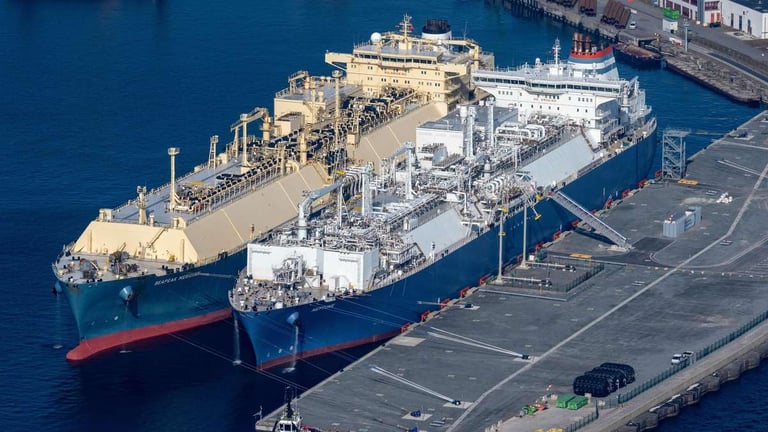

Africa already supplied more than 17% of Europe’s LNG in 2025, with critical volumes from Algeria, Nigeria, and Angola, and new projects could push this share higher as they come online.
Mozambique is emerging as a key European LNG hub, with TotalEnergies and ExxonMobil targeting over 30 Mt/y and first deliveries expected around 2030.
Africa’s LNG expansion is accelerating, with the Greater Tortue Ahmeyim project starting production to deliver up to 10 Mt/y of LNG to Europe via short transport routes, while additional West African projects (Angola, Republic of Congo, Cameroon, Gabon, Equatorial Guinea) gain importance for European supply.
Diversifying LNG sourcing across multiple African reserves reduces risk and can improve pricing dynamics, though security and cost challenges remain.
Balancing local content with international expertise requires national participation alongside technology transfer and workforce development to meet high technical standards.
Security lessons from Cabo Delgado underline the need for strong perimeter and transportation security, regional partnerships, and robust emergency response planning for project viability.
Africa faces an infrastructure funding gap of over $70 billion for major LNG projects, with security concerns and some financing withdrawals shaping risk and terms.
Strategic partnerships are evolving beyond seller-buyer models to include equity joint ventures, technology transfer, and security cooperation to stabilize European-African energy ties.
Major challenges persist: missing pipelines, liquefaction and export terminals, political instability, regulatory hurdles, corruption, and security threats in Nigeria’s Niger Delta and Mozambique’s Cabo Delgado raising production risk.
Maritime LNG transport provides routing flexibility, lower infrastructure vulnerability, and faster emergency response, enabling multiple paths to Europe and other markets.
Europe benefits from shorter African routes, floating LNG options for rapid deployment, and the ability to cushion seasonal demand and supply shocks.
Overall, Africa holds substantial LNG potential to diversify Europe’s supply, but unlocking it requires overcoming political, infrastructure, and security risks.
Summary based on 3 sources