Newly Identified ReNU2 Syndrome Sheds Light on Severe Childhood Epilepsy and Neurodevelopmental Disorders
March 30, 2026

A new recessive neurodevelopmental disorder caused by biallelic variants in RNU2-2, called ReNU2 syndrome, has been identified as a major contributor to neurodevelopmental disorders, with a potentially substantial prevalence in the UK and likely higher in populations with consanguinity.
Building on prior work showing dominant RNU2-2-related disease and the involvement of related gene RNU4-2 in another common NDD, the study expands the RNU2/4-related discovery program.
Manchester researchers and their collaborators reported a landmark discovery of a recessive RNU2-2–related disorder causing severe epilepsy in children.
Experts say the finding could broaden diagnosis, inform future research, and improve treatment options and family support.
Although there is no cure yet, the loss of U2-2 RNA points to potential gene replacement or RNA-based therapies in the future, while the team emphasizes building diagnostic pipelines, natural history data, and foundations for clinical trials.
The report credits a large author team and references Nature Genetics for methods and funding details, noting Mount Sinai and its research programs as key contributors.
This work reflects international collaboration among the Undiagnosed Diseases Network and consortia across the UK, the Netherlands, Belgium, and Italy, using genome sequencing, RNA expression analysis, and detailed phenotyping.
Findings provide diagnostic clarity, aid genetic counseling for carriers, and support establishing the ReNU2 Syndrome Foundation and enrollment in the INDEED study at Mount Sinai for standardized data collection and deeper phenotyping.
The condition is estimated to affect about one in 40,000 people globally, with millions potentially carrying related variants and thousands yet undiagnosed.
As of now, 84 individuals worldwide have been identified, with ongoing identification suggesting thousands more undiagnosed and millions as carriers.
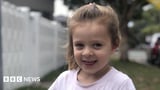
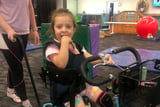
Clinical portraits include severe epilepsy and developmental delays; examples like Ava Begley from Sydney illustrate real-world impact, with early years marked by frequent seizures that are now better controlled by medication.
The discovery holds promise for personalized treatment and improved care for those with RNU2-2–related neurodevelopmental disorder.
Summary based on 6 sources
Get a daily email with more Science stories
Sources
BBC News • Mar 30, 2026
New hope for children with severe epilepsy after Manchester study
BBC News • Mar 30, 2026
New hope for children with severe epilepsy after Manchester study
Manchester University NHS Foundation Trust • Mar 30, 2026
Manchester scientists discover one of the most common genetic causes of severe epilepsy, offering new hope for thousands of families worldwide