AI-Enhanced Mammograms Reveal Hidden Cardiovascular Risks in Women, Urge New Preventive Measures
March 9, 2026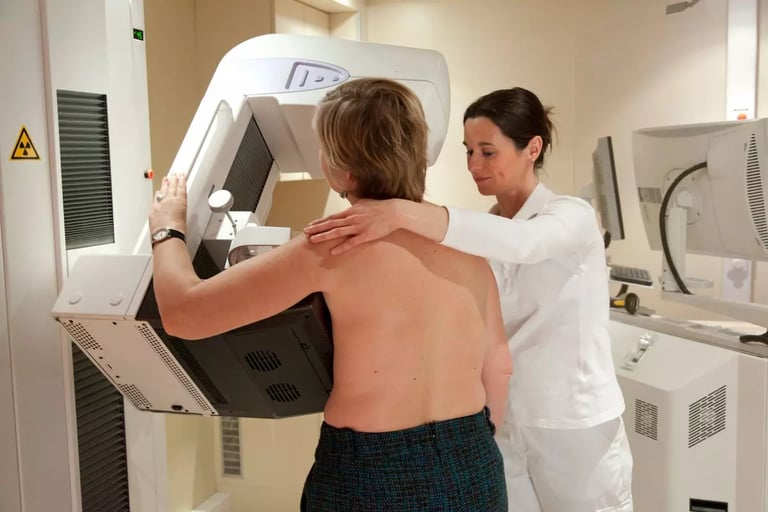

Nishtha Sareen, MD, MPH, stresses prioritizing heart health and staying aware of risk factors, including getting tested.
Clinicians could use BAC findings to prompt preventive measures such as cholesterol testing or medications, while policymakers might consider program-wide adoption without extra infrastructure.
A large study used artificial intelligence to analyze calcification in breast arteries on mammograms to predict future cardiovascular risk in women without known heart disease, highlighting BAC as a strong biomarker.
They advocate standardizing breast arterial calcification (BAC) as an actionable cardiovascular biomarker, bridging cancer screening platforms with heart health management.
An editorial urges leveraging high mammography adherence to raise cardiovascular risk awareness and formalize BAC as a routine, actionable measure in preventive care.
BAC was quantified by AI and categorized into four levels: no BAC, mild BAC (0–10 mm²), moderate BAC (10–25 mm²), and severe BAC (>25 mm²).
Key risk factors to monitor include blood pressure, cholesterol, and BMI, with special attention to peri-menopausal women due to rising cardiovascular risk.
This approach could prompt preventive actions like cholesterol testing and consideration of preventive medications, addressing underdiagnosis of cardiovascular disease in women.
Findings held across races and persisted after adjusting for standard risk factors, suggesting BAC from mammograms could inform both patient awareness and clinical decision-making for cardiovascular prevention.
The researchers note that mammograms, already in routine cancer screening, could also identify women at cardiovascular risk, including younger women under 50 who are often considered lower risk.
A diverse cohort spanning racial/ethnic groups and two major U.S. health systems strengthens robustness and generalizability of the findings.
Future work includes clinical trials to evaluate how to operationalize AI BAC protocols, notification workflows, ethics, and equitable access.
Summary based on 4 sources
Get a daily email with more Science stories
Sources
AOL • Feb 28, 2026
Mammograms can reveal risk for heart disease

Inside Precision Medicine • Mar 9, 2026
Mammograms Reviewed with AI Could Help Detect Heart Disease in Women
BIOENGINEER.ORG • Mar 9, 2026
AI Enables Early Prediction of Serious Heart Disease Using Mammogram Data