Western Australia Declares Fuel Emergency: Suppliers Face Fines for Data Withholding Amid Supply Crisis
April 1, 2026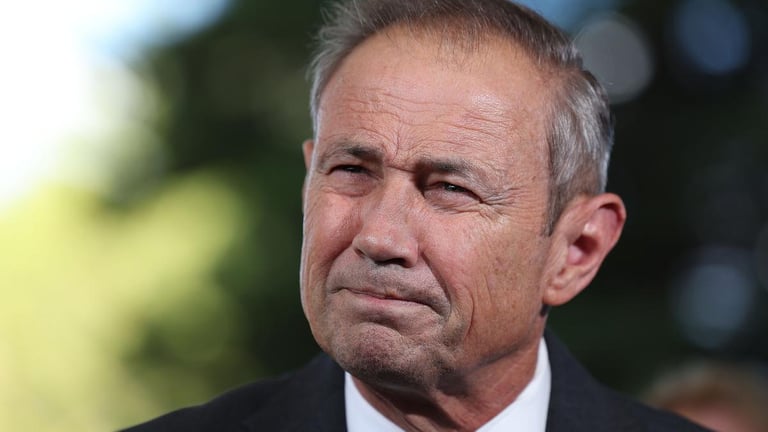

BP and Ampol are reportedly supplying higher volumes than usual, fueling concerns that independent spot markets have collapsed due to increased demand.
The government plans to request Governor Chris Dawson to declare the state of emergency, empowering Energy Minister Amber-Jade Sanderson with extraordinary powers over fuel suppliers and data sharing.
Western Australia has declared a state of emergency under the Fuel, Energy and Power Resources Act 1972 to compel fuel suppliers to share information and redirect supplies where needed.
Premier Roger Cook warned that, if data on stock levels, destinations, and contracts is not provided by the deadline, the government may use emergency powers to require disclosure of confidential information.
This move follows incomplete voluntary cooperation, with only half of the major suppliers supplying data on volumes, distribution points, and delivery frequency.
Cook rejected immediate fuel price setting, arguing that keeping competitive tension helps prices stay down while ensuring enough supply for farmers under revised federal arrangements.
Cook and officials reached out proactively to major suppliers to obtain data on stock levels, regional distribution priorities, and any changes to volumes entering wholesale markets.
BP indicated it would focus on contractual obligations and coordinating with government and distributors to deliver fuel to regions after a government-approved stockholding release, while consumers were advised to keep buying normally.
Industry groups, including the Chamber of Minerals and Energy, expressed cautious support, noting most companies hold 7–12 days of fuel and could benefit from clearer visibility to manage disruptions.
Energy Minister Sanderson highlighted variable supplier engagement and a structural issue in the supply chain for non-contracted customers who rely on the spot market.
Cook sent letters to BP, Viva, and Ampol requesting totals of fuel holdings, distribution since the Iran conflict began, contract details through June, and supplier plans to prioritise regional, agricultural, and maritime customers.
Penalties for non-compliance could be as high as 100,000 AUD per day for corporations and 10,000 AUD per day for individuals, with fines determined by the courts.
Summary based on 4 sources
Get a daily email with more World News stories
Sources
The West Australian • Apr 1, 2026
State of emergency declared in WA after fuel suppliers reject Roger Cook’s demand for information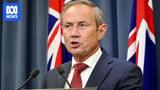
SSBCrack News • Apr 1, 2026
WA Government Invokes Emergency Powers to Manage Fuel Supply Chain Amid Ongoing Disruptions - SSBCrack News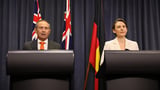
WAtoday • Mar 27, 2026
WA premier threatens emergency powers to get fuel stock information
WAtoday • Apr 1, 2026
WA seeks fuel crisis powers using ‘state of emergency’ provisions