Advocacy Pushes YouTube to Ban 'AI Slop' from Kids' Content Amid Rising Concerns
April 1, 2026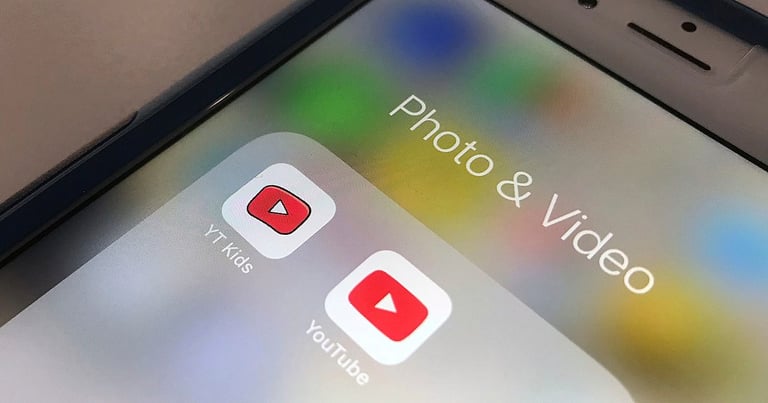

The timing aligns with regulatory and legal actions affecting tech platforms, such as a court ruling in March finding Google and Meta liable for harms from social media, with appeals planned.
The letter arrives amid broader scrutiny of tech platforms, with recent court rulings holding Google and Meta liable for social media–related harms among young users.
Specifics noted include the letter’s delivery on a Wednesday morning and the $1 million Animaj investment mentioned in a broader context.
Advocacy groups and experts are pressing YouTube to shield children from AI-generated videos they label as “AI slop,” calling for labeling, bans on YouTube Kids AI content, and stronger parental-control tools to limit AI content for under-18s.
The campaign follows Google’s AI Futures Fund investment of $1 million into Animaj, an AI animation studio targeting kid-focused content with wide viewership.
The date of the letter is April 1, 2026, and the piece emphasizes a 2026 priority to address managing AI slop.
The advocacy aligns with broader concerns about youth social-media use and seeks stronger safeguards as researchers highlight impacts on children.
The article notes YouTube Kids currently limits ads and uses a paid-advertisement review process, with ads labeled as Ad or Sponsored.
Signatories point to top AI-slop channels for kids earning over $4.25 million in annual revenue, underscoring the profit motive behind AI content for children.
The situation underscores tensions between online child protections and industry investment in AI-driven content creation.
The letter argues that reducing mass-produced AI content could improve advertiser engagement with more human-curated content.
The push comes as YouTube strives to uphold high content standards while critics urge explicit protections for child audiences.
Summary based on 30 sources
Get a daily email with more AI stories
Sources

Mashable • Apr 1, 2026
Advocates to Google CEO: Stop YouTube AI slop from harming kids
AP News • Apr 1, 2026
Advocacy groups push for an end to 'AI slop' for kids on YouTube | AP News
Economic Times • Apr 1, 2026
Advocacy groups urge YouTube to protect kids from 'AI slop' videos
Economic Times • Apr 1, 2026
Advocacy groups urge YouTube to protect kids from 'AI slop' videos