Breakthrough in Nanoparticle Delivery: New Study Reveals Pathway to Target Hard-to-Reach Cells
April 16, 2026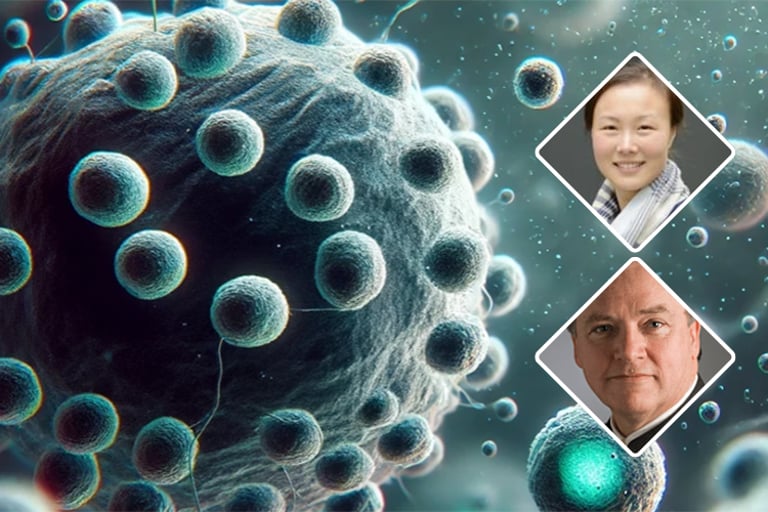

These condensate corona–nanoparticle complexes act as active interfaces that carry functional biomolecules and can unlock endogenous cellular gateways, enabling delivery to intracellular environments that are normally hard to reach.
The research demonstrates a feasible design pathway for nanoparticle prototypes capable of precise delivery to specific cellular compartments, integrating biomolecular science with nanoengineering and biomedical research.
Framed as a blueprint for sending therapeutically effective biological messages to hard-to-reach locations, the findings point toward treatments that could reverse certain intractable diseases rather than merely manage them.
The study notes a link between misdirection of this intercellular messaging system and processes like tumor metastasis, underscoring relevance to oncology research and potential cancer therapies.
Researchers used embedded magnets to capture the corona-containing droplets in transit, enabling readouts of how messages transfer between cells while preserving their integrity.
Magnet-assisted capture showed that the droplets relay intact messages from source to destination, with the corona detaching inside recipient cells and helping cargo escape degradation.
The messaging droplets, trapped during transit by embedded magnets, reveal how the coating detaches to facilitate cargo release and escape from the cell’s degradation system before final delivery.
Transferred biomolecules remain active after delivery and can directly influence the function of target cells.
Proteins and RNA carried by the corona remain functional in recipient cells, suggesting practical potential for delivering medicines to previously inaccessible body regions.
Overall, the discovery uncovers natural cellular gateways and a robust delivery mechanism that could transform biomedical interventions by leveraging the body’s own messaging infrastructure.
The system can transport cargo such as proteins and RNA across biological barriers with high efficiency and immune-evasive properties, preserving messages during transit and targeting recipient cells.
A new study from University College Dublin’s Centre for BioNano Interactions, published in Nature Materials, reveals that certain nanoparticles entering a cell acquire a condensate corona made from the cell’s own proteins and RNA, effectively delivering a small biological program.
Summary based on 4 sources
Get a daily email with more Science stories
Sources

BIOENGINEER.ORG • Apr 16, 2026
UCD Scientists Unveil Novel Cellular ‘Courier System’ for Transferring
News-Medical • Apr 16, 2026
Understanding cell messaging provides a blueprint for targeting inaccessible tumors
GEN - Genetic Engineering and Biotechnology News • Apr 16, 2026
Intercellular Communication via Condensate Corona-Nanoparticle Complexes
Innovation News Network • Apr 16, 2026
Cells communicate biological messages between each other using newly discovered “courier system”