Apple Delays Next-Gen MacBook Pro Launch Amid Global Memory Shortages, Targets Late 2026 Release
April 19, 2026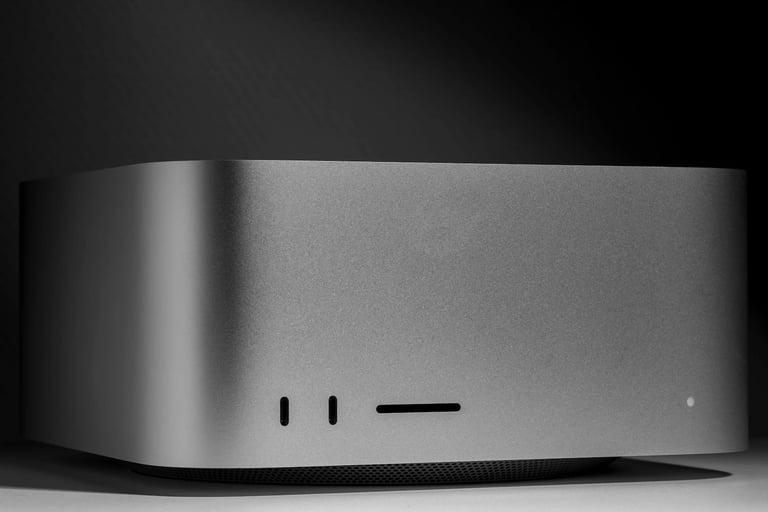

The delay is tied to the global DRAM and NAND flash crisis, with Apple comparatively better positioned than peers.
Current Mac Studio inventory, particularly higher-memory configurations, has tightened in recent weeks, signaling ongoing supply challenges.
Apple is delaying the next-generation MacBook Pro due to global memory shortages, pushing a launch from the earlier window to late 2026 or early 2027, while macOS software work on touch input remains on track and appears to be hardware-driven.
AI infrastructure demand is tightening memory and storage supplies across the sector, contributing to increased prices and resource competition that Apple is navigating.
Gurman also notes the RAM shortage affects multiple vendors, though Apple may benefit from momentum around the MacBook Neo amid the wider memory crisis.
The refreshed Mac Studio, after the M4 Max and M3 Ultra, is also delayed and may now arrive around October as stock shortages and demand for local AI workloads influence timing.
The report includes a brief author bio noting Rajesh specializes in consumer tech and Apple coverage.
Bloomberg’s Mark Gurman is cited for outlining supply chain signals and timeline adjustments, tying the moves to broader industry patterns.
Memory shortages affecting the broader tech sector are spilling into Apple’s product plans, with desktop Macs hit harder than some laptops.
Apple has been engaging in costly supply deals, including paying higher prices for DRAM to secure needed components amid industry-wide memory strain.
Apple’s leadership has previously signaled concern over memory costs and supply as a potential constraint for upcoming Macs.
Industry-wide memory and storage shortages are affecting Apple’s ability to ship desktop Macs, while MacBook line shipments appear less constrained.
Summary based on 7 sources
Get a daily email with more Tech stories
Sources

The Times Of India • Apr 19, 2026
RAM shortage pushes Apple's Mac Studio to October, MacBook Pro to 2027

9to5Mac • Apr 19, 2026
New Mac Studio may not arrive until October
AppleInsider • Apr 19, 2026
Mac Studio, touchscreen MacBook Pro delayed by memory shortages