539-Million-Year-Old Fossils in China Reveal Early Complex Life Before Cambrian Period
April 2, 2026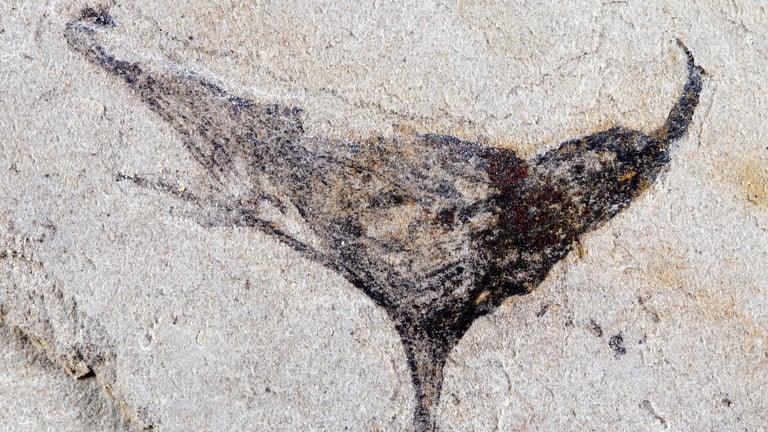


A major fossil discovery from Yunnan, China, dating to about 539 million years ago, reveals complex three-dimensional animals existed earlier than previously thought, bridging the Ediacaran and Cambrian periods.
The assemblage includes bilaterian animals and early deuterostomes, suggesting diversification before the Cambrian and laying groundwork for Cambrian-type communities by the end of the Ediacaran.
Researchers plan to pursue questions about what drove this transition, including how environmental factors like oxygen levels and genetic development interacted with evolution.
Key researchers include Frankie Dunn and Ross Anderson of Oxford's Museum of Natural History, with collaborators from Cambridge and other institutions.
More than 700 fossils show early complex life with left–right symmetry and a defined head and anus, indicating modern body-plan development was underway earlier than understood.
The study highlights ongoing questions about drivers of rapid diversification, including oxygen availability, genetic evolution, and how ecological interactions shaped early Earth.
These findings imply a more gradual transition into Cambrian ecosystems rather than a sudden explosion, prompting further study to catalog and name new specimens.
Note: placeholder in the source; the final story focuses on the above points without filler.
Summary based on 9 sources
Get a daily email with more World News stories
Sources

Yahoo News • Apr 2, 2026
Chinese fossils reveal a primordial burst of animal evolution
Yahoo News • Apr 2, 2026
How we came to be: Scientists get first look at the evolution of early complex animals
ABC News • Apr 2, 2026
Scientists get first look at the evolution of early complex animals