Billionaires Michael and Susan Dell Donate $750M to Revolutionize AI in Healthcare at UT Austin
April 21, 2026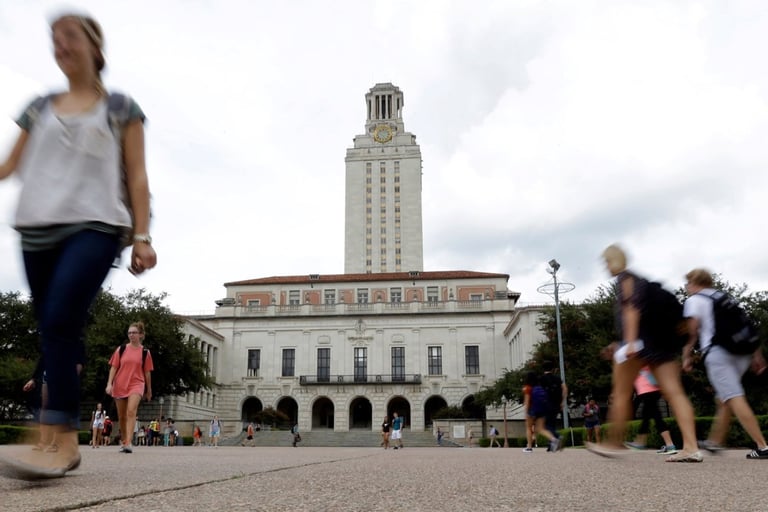


Billionaires Michael and Susan Dell pledge $750 million to UT Austin to support the Dell Medical Center and to seed an AI-native hospital on a 300-plus-acre advanced research campus that opens in 2030.
The gift is framed within rising private philanthropy in higher education, with debates about how such donations influence public funding and the sector’s future.
The initiative includes expanding undergraduate scholarships, student housing, and bolstering the Texas Advanced Computing Center to boost supercomputing research.
Predicted impacts include reduced nursing burnout and faster drug discovery, signaling a shift toward hybrid AI-human workflows and reskilling in the industry.
Notable players and trends include investments by Google Cloud and IBM Watson Health, with regulatory emphasis from the FDA and HIPAA and the use of NLP and computer vision in healthcare.
Independent experts warn of AI risks in healthcare, including bias and equity concerns, underscoring the need for careful validation.
The piece cites data and forecasts from 2023–2025, including McKinsey (2024), Grand View Research (2023), WHO (2023), CDC (2020), and NEJM (2025) to ground its claims.
The project targets hospital-wide AI applications such as triage, radiology imaging, and patient throughput, with potential to cut wait times and costs.
The broader context notes rising private funding for higher education despite shrinking public funding and politicized debates about colleges.
Public funding constraints for health infrastructure are pushing private tech philanthropy, with a growing belief in AI’s transformative role in medicine.
This trend reflects a shift toward private philanthropy funding health innovation as public coffers strain under health infrastructure needs.
The donation signals expanded opportunities for health AI vendors in EHR integration, data governance, and model validation, while highlighting FDA clearance and HIPAA-compliant data use needs.
Summary based on 26 sources
Get a daily email with more World News stories
Sources

Yahoo News • Apr 21, 2026
Michael and Susan Dell fund 'AI-native' medical center with $750 million gift to University of Texas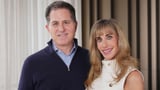
Spectrum News 1 South Texas / El Paso • Apr 21, 2026
Michael and Susan Dell fund 'AI-native' medical center with $750 million gift to University of Texas
The Seattle Times • Apr 21, 2026
Michael and Susan Dell fund ‘AI-native’ medical center with $750 million gift to University of Texas