Industrial Electrification Key to Decarbonization, Economic Security Amid Fossil Fuel Volatility
April 22, 2026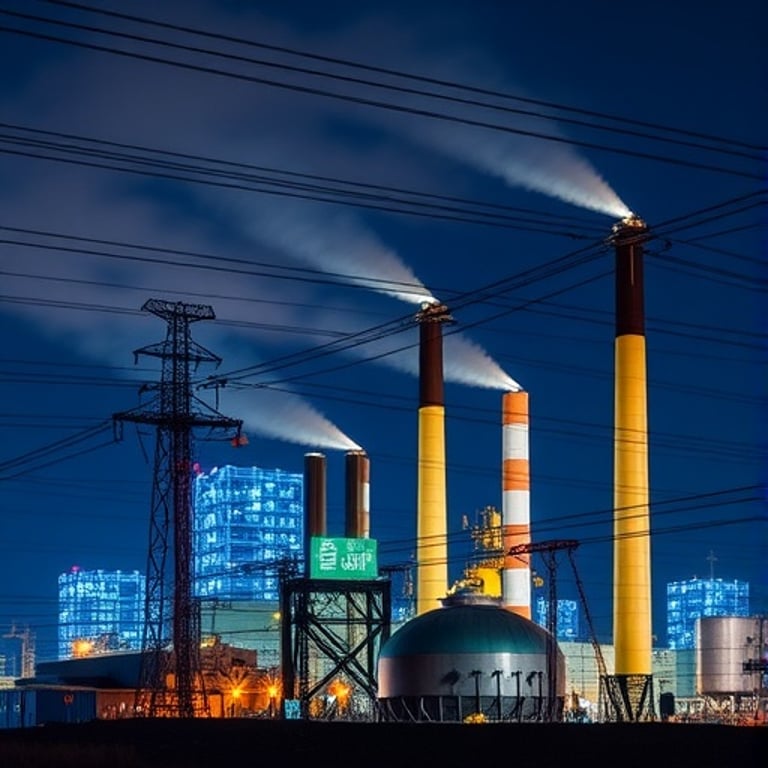

Industrial electrification is a central path to decarbonisation and economic security for the global industrial sector, which remains highly exposed to fossil fuel price swings and energy market shocks.
The main barrier to deployment isn’t tech feasibility but policy and infrastructure: pricing distortions, limited grid capacity, slow permitting, and insufficient anticipatory grid investments, all of which require policy reforms and targeted infrastructure spending to unlock electrification at scale.
Recent advances in electrification tech, such as BASF’s industrial heat pumps and Thailand’s local-supply-chain heat battery, show clear technical viability and scalability for industrial use.
Electrification technologies—electric heat pumps, resistance heating, electric boilers, and thermal storage—are commercially ready but need pricing reforms, carbon pricing, and stronger market incentives to overcome electricity–gas cost differentials.
Financing is pivotal; private capital alone is insufficient due to perceived risk, requiring public instruments like carbon contracts for difference, grants, and concessional financing to de-risk projects and drive learning-driven cost reductions.
Taken together, industrial electrification offers a transformative opportunity to align economic security with environmental goals, demanding urgent policy action, infrastructure commitment, and innovative financing to enable a global energy-system shift.
The Oxford report High Voltage, drawing on over 1,600 scenarios and reviews, concludes that up to 90% of industrial energy demand could be electrified with current and emerging technologies, signaling strong feasibility if policy moves fast.
Geopolitical tensions and supply disruptions—like strains near the Strait of Hormuz and the 2022 Russian gas crisis—underline fossil-fuel dependence’s fragility and the global spillovers to LNG prices and factory operations.
Repeated fossil-fuel shocks underscore the unsustainability of current energy systems and the need for a systemic transformation of industrial energy infrastructure.
Beyond decarbonisation, reducing fossil-fuel dependence boosts resilience by lowering exposure to geopolitical disruptions, price swings, and supply shocks, turning energy security into a competitive advantage.
Grid integration hurdles—long connection timelines and permitting—must be tackled with streamlined processes, anticipatory capacity planning, and faster interconnection to enable broad electrification.
Summary based on 1 source
Get a daily email with more Science stories
Source
BIOENGINEER.ORG • Apr 22, 2026
Oxford Analysis Identifies Industrial Electrification as a Critical