Giant Cretaceous Octopuses: Apex Predators of Ancient Seas, Study Suggests
April 23, 2026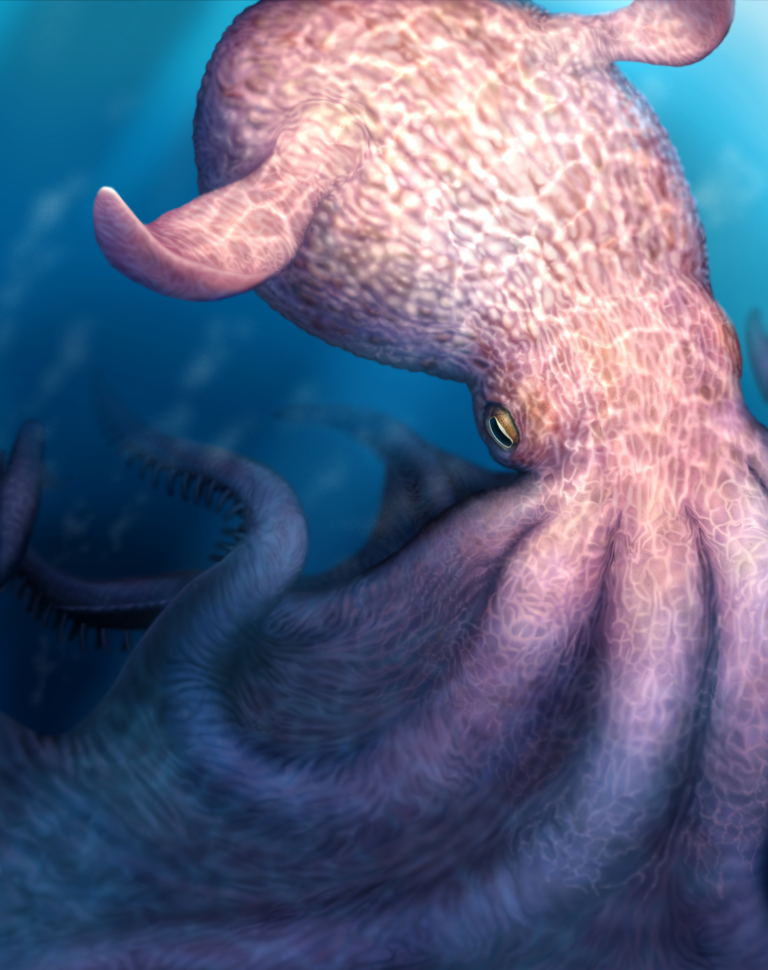


The Science paper notes that additional octopus fossils from different regions are needed to fully delineate their place in marine ecosystems.
Upper size estimates should be treated as tentative due to variability in mantle-to-tentacle proportions and limited fossil data.
Because ancient octopods differ from modern forms, firm conclusions about ecological roles remain cautious and provisional.
In a new Science study, giant Cretaceous octopuses up to about 62 feet long emerge as likely apex predators in warm, shallow seas, based on well-preserved jaw fossils.
Wear patterns on the beaks indicate larger individuals processed hard prey more extensively, with signs of blunting, chips, and possible lateralised feeding behavior.
Researchers used a novel method called digital fossil mining, combining grinding tomography and AI to create high-resolution 3D jaw models and enrich the paleoecological picture.
Independent experts Nick Longrich and Christian Klug caution that the evidence is intriguing but not definitive and call for further research.
Uncertainties remain about body shape, fin size, swimming speed, and diets, as no fossil reveals stomach contents.
Paleontologists acknowledge the findings are provisional and will require time to fully understand these giants’ ecology and behavior.
The team plans to expand digital fossil mining to uncover soft-bodied organisms and broaden understanding of ancient ecosystems.
Other experts not involved in the study emphasize the need for more fossil discoveries to clarify the octopuses’ role in ancient food webs.
Scholars stress that conclusions are limited to jaws; size estimates may vary and stomach contents would help confirm dietary habits.
Summary based on 19 sources
Get a daily email with more World News stories
Sources

AP News • Apr 23, 2026
Kraken-like octopuses may have been top predators during the Cretaceous | AP News
Gizmodo • Apr 23, 2026
This 62-Foot ‘Kraken’ Octopus Terrorized Cretaceous Seas
Yahoo News • Apr 23, 2026
A massive kraken-like octopus may have prowled the seas during the age of dinosaurs