MD Anderson Launches $10M Center to Decode Cancer's Cellular Language with AI and Spatial Technologies
April 28, 2026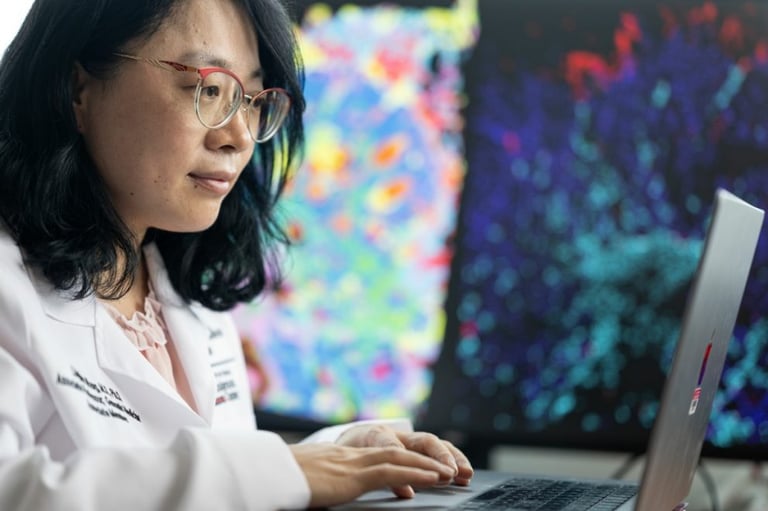


UT MD Anderson announces the Center for Cellular Language Intelligence, a new research hub funded by a $10 million gift from Peggy and Carl Sewell, designed to decode the cellular language of cancer using spatial technologies, AI, and clinical insights to enable earlier detection, smarter prevention, and more personalized treatments.
The center will map cellular organization, identify signaling hubs and biological programs driving cancer initiation and progression, and translate high-dimensional discoveries into actionable clinical targets and predictive biomarkers.
This effort sits within a broader push toward spatial biology, functional genomics, big data, and AI to study cancer at the single-cell level and to understand tumor ecosystems and therapy response.
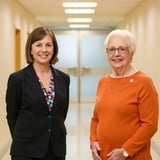
Peggy and Carl Sewell have a long history of supporting UT MD Anderson, including roles on the Board of Visitors and funding the Sewell Family Distinguished University Chair, with Peggy named a Life Member of the Board of Visitors in 2024.
Their philanthropy reflects a sustained commitment to advancing cancer research and patient care through board leadership and donor-led initiatives.
The Sewells’ endowment will fund strategic recruitment, infrastructure, and AI capabilities to manage large spatial datasets and foster cross-institution collaboration.
The gift is framed as building an integrated hub for discovery, translation, and collaboration across disciplines to accelerate identification of therapeutic targets, biomarkers, and prevention strategies.
Linghua Wang, an expert in single-cell and spatial biology, will lead the center, forming a multidisciplinary consortium that blends genomic medicine, immunology, and data science to translate discoveries into clinical trials and precision medicine.
The initiative will enable spatially-resolved functional genomics to observe cellular responses in real time, guiding combination therapies and strategies to prevent resistance and relapse.
Key methods will include high-resolution single-cell sequencing, multiplexed imaging, and AI-driven analysis to map signaling networks, immune evasion mechanisms, and predictive biomarkers for immunotherapy.
The project aligns with UT MD Anderson’s fundraising campaign, Only Possible Here, which has raised over $2 billion toward breakthrough innovations and patient care improvements.
This center launch also forms part of the campaign’s broader effort to end cancer through translational discoveries and enhanced patient outcomes.
Summary based on 4 sources
Get a daily email with more AI stories
Sources
BIOENGINEER.ORG • Apr 29, 2026
UT MD Anderson Launches Center for Cellular Language Intelligence Following
UT MD Anderson • Apr 28, 2026
UT MD Anderson Establishes Center for Cellular Language Intelligence Thanks to $10M Sewell Gift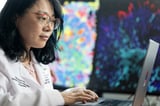
Mirage News • Apr 28, 2026
MD Anderson Launches Cellular Language Center with $10M Gift