Colossal Biosciences Aims to Revive Extinct Bluebuck Using Jurassic Park-Style Genomic Techniques
April 30, 2026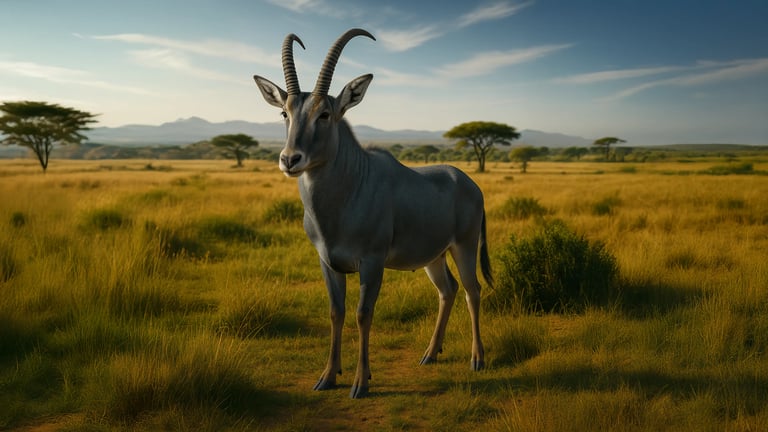


Colossal Biosciences aims to de-extinct the bluebuck, an African antelope extinct around 1800, by editing the genome in a roan antelope surrogate using Jurassic Park–style techniques.
The effort is framed as benefiting about 29 threatened antelope species through developing reproductive technologies, genomic tools, and biobanking to support ongoing conservation and genetic material preservation.
Colossal’s de-extinction portfolio also includes the woolly mammoth (with a live calf targeted by late 2028), the Tasmanian tiger, the dodo, and the northern white rhino.
Note that full access to the story may require a GamesBeat account or registration.
The company argues advances could benefit roughly 93 antelope species and broader ecosystems by restoring ecological balance and supporting habitat plant life.
Public focus and celebrity involvement surround the project, with investors like Tom Brady and Chris Hemsworth and partnerships such as Peter Jackson associated with related efforts.
Officials highlight potential ecological benefits and acknowledge the scientific and ethical considerations involved in restoration and reintroduction.
Key scientific challenge: bluebuck and roan genomes differ by about 3% with millions of variants; researchers must identify which variants drive phenotype versus metabolism or regulation.
The initiative aligns with broader conservation efforts through collaborations to identify reintroduction sites in South Africa and evaluate ecological benefits.
Ethical debates are acknowledged, with experts noting conservation challenges persist even as de-extinction progresses.
CEO Ben Lamm emphasizes that restoring the bluebuck is only half the work; safeguarding reintroduced populations through governance and global protection is the other half.
Researchers have sequenced the roan genome, using a specimen from the Swedish Museum of Natural History to achieve high-accuracy variant identification.
Summary based on 7 sources
Get a daily email with more World News stories
Sources
Gizmodo • Apr 30, 2026
‘De-extinction’ Startup Wants to Revive Antelope Killed Off by South African Colonists
Yahoo News • Apr 30, 2026
US company aims to resurrect bluebuck antelope that was hunted to extinction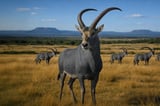
Discover Magazine • Apr 30, 2026
Colossal Plans De-Extinction Project for the Bluebuck — and an Effort to Help Save African Antelope Populations