SpaceX Falcon 9 Debris Set to Crash on Moon in 2026, Sparking Debris Mitigation Concerns
April 30, 2026


Bill Gray of Project Pluto predicted the impact path and timing using his software, noting no danger to Earth but highlighting concerns about space debris disposal.
Gray tracks the debris with high confidence, though the exact impact spot could shift slightly due to gravitational influences.
The event underscores the broader issue of growing space debris and its implications for astronomy and safety, with the Moon serving as a relatively safer sink than Earth.
Tracking the object's trajectory will continue in coming months; the crash is notable but not expected to significantly alter the lunar surface.
Even if the impact is on the Moon’s near side, Earth-based telescopes are unlikely to observe it; similar past events faced visibility challenges.
Space Force tracks such objects with radar while telescopes assist distant-object tracking; animations show the moving debris.
Exact impact site remains subject to change as solar radiation pressure subtly alters the debris trajectory toward the Moon.
SpaceX has not commented on this debris; broader discourse calls for improved orbital disposal guidelines to reduce future space junk.
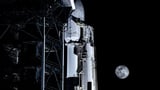
A spent SpaceX Falcon 9 upper stage from the Firefly Blue Ghost Mission 1 and ispace Hakuto-R Resilience lunar landers is projected to impact the Moon on August 5, 2026, near Einstein crater on the western limb, at roughly 2:44 a.m. Eastern Time, with a speed around 5,400 mph.
The debris, originating from the Falcon 9 second stage associated with Blue Ghost, is on a collision course for the Moon after the mission marked a milestone with a March 2025 lunar landing.
The predicted impact offers limited scientific value beyond potential regolith analysis and serves to inform future lunar mission planning and debris mitigation discussions.
Observers may gain minor scientific insights from the ejecta, and future missions might adjust trajectory planning to avoid or minimize such debris risks.
Summary based on 7 sources
Get a daily email with more Tech stories
Sources
Gizmodo • Apr 30, 2026
A Stray SpaceX Rocket Will Smash Into the Moon at Mach 7 in August, Analyst Says
Yahoo News • Apr 30, 2026
SpaceX rocket debris is on a collision course with the moon
SpaceNews • Apr 29, 2026
Falcon 9 rocket stage projected to impact moon’s near side in August