Asian Travelers Reroute Amid Iran Conflict, Fuel Costs; Intra-Regional Tourism Gains Appeal
April 5, 2026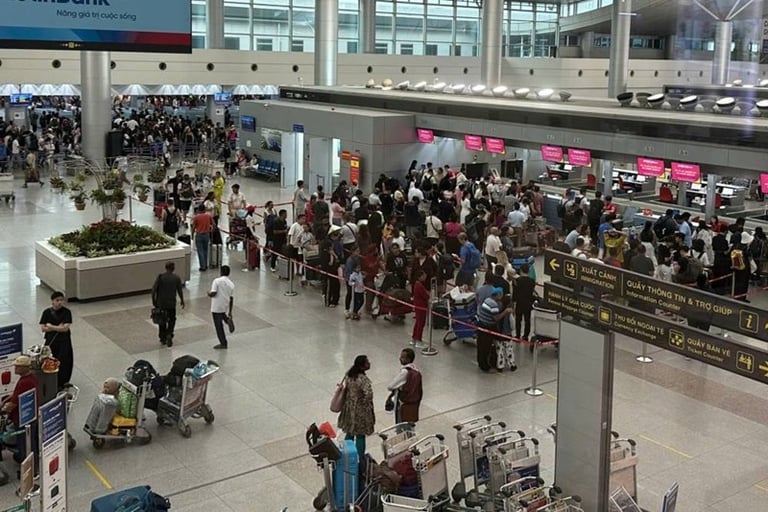

Companies are pausing or rerouting to avoid risk, leading to higher cancellations and more complex arrangements for essential travel.
Asian travelers are delaying or rerouting Middle East trips due to the ongoing Iran war and higher jet fuel prices, which is driving up airfares and raising safety concerns.
The broader trend toward safer, shorter, and more cost-effective regional travel hinges on geopolitical stability and energy price movements.
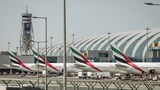
Dubai’s tourism growth is being tempered by ongoing conflicts, affecting long-term demand and ambitions in the Middle East.
Some travelers are choosing regional or nearby getaways, such as a Singapore-to-Batam ferry, signaling a shift toward regional resilience in planning.
Asian travel planners are pivoting to Southeast Asian hubs and intra-Asian routes as alternatives to the Middle East due to cost and reliability concerns.
Southeast Asia destinations like Singapore and intra-Asian routes are increasingly favored for safety and convenience.
Business travel shows reluctance to visit risky areas, with more than a doubling of voluntary cancellations on Europe-Asia routes in early March.
Analysts say trip planning is becoming data-driven, with platforms offering integrated, single-view pricing and recommendations to reduce decision fatigue for travelers juggling destinations and dates.
Travel platforms are using data to deliver faster, more relevant recommendations for hesitant travelers, cutting down the need to juggle multiple tabs for pricing and safety factors.
Industry forecasts suggest intra-regional tourism will become more appealing for Asian travelers, though overall costs depend on oil and aviation fuel prices.
The Middle East conflict has caused widespread flight cancellations, with Cirium reporting over 46,000 canceled flights since late February, impacting regional tourism to Dubai and nearby hubs.
Summary based on 2 sources