Germany Considers VAT Cuts on Essentials to Ease Rising Costs Amid Broad Political Debate
April 5, 2026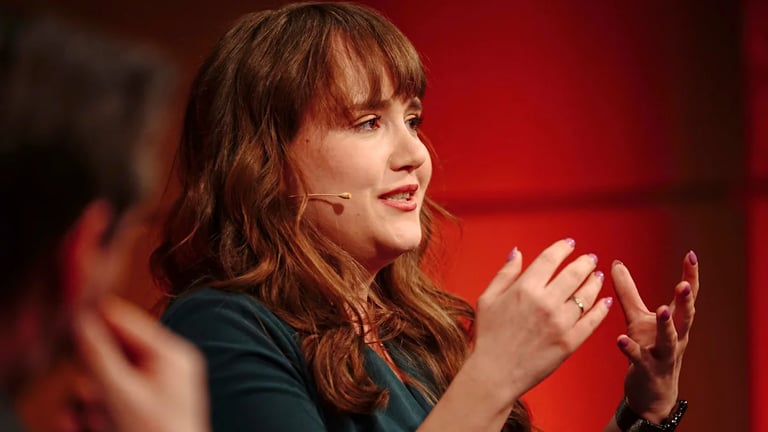

A broad German debate on VAT relief for essentials is gaining momentum, with Union (CDU/CSU) lawmakers proposing to reduce or remove VAT on basic foods to ease household hardship from rising prices.
Supporters span political and labor groups: Jens Spahn floated zero VAT on basic foods within a broader relief package, while DGB leader Yasmin Fahimi backs removing reduced VAT on certain goods and funding via higher VAT on luxury items.
CDU figures, including Dennis Radtke, signal openness to eliminating VAT on healthy foods as a potential form of relief.
Advocates insist relief must be substantial and feel tangible in households’ wallets, criticizing the government’s response as insufficient amid ongoing regional and global pressures.
Critics warn that lower VAT alone does not guarantee lower prices without retailer pass-through, citing past experiences from a 2020 temporary VAT cut with mixed outcomes.
Cities and Municipalities Association officials and others support temporary, targeted relief for energy and everyday goods, with financing discussed through broader tax reforms or windfall taxes on profitable energy firms.
Proponents argue health and affordability benefits, including encouraging healthier diets, while opponents and consumer groups question the long-term economic impact and effectiveness.
The proposal targets financially vulnerable groups, arguing that low-income earners spend a larger share of income on essentials like food and housing.
Context includes ongoing debates about the effectiveness and administration of such relief, with vzbv (consumer protection) signaling concerns about trust and conditional price reductions.
The plan sits within broader fiscal talks as a potential path if VAT rises from 19% to 21%, with targeted relief seen as a social counterbalance for lower-income households.
DGB’s Fahimi favors relief for low-income households paired with higher taxes on luxury or non-essential items to preserve revenue.
The VAT-for-food idea is framed as part of broader steps to cushion households from price shocks amid external tensions, with attention to political timing.
Summary based on 5 sources