JPMorgan CEO Warns Iran Conflict May Spark Inflation Amid Global Economic Shifts
April 6, 2026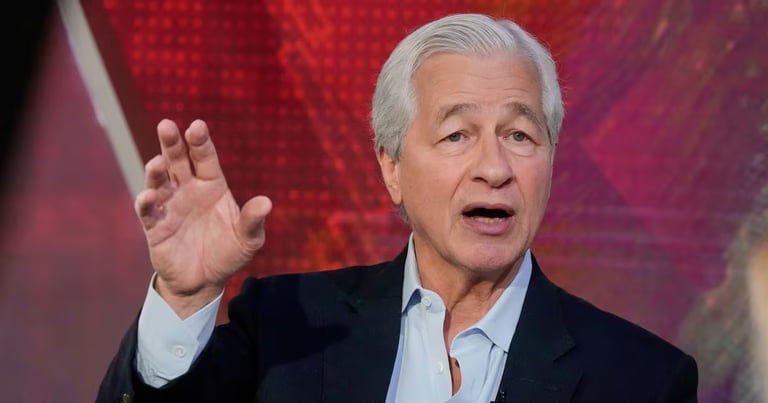


In his annual shareholder letter, JPMorgan Chase CEO outlines that a resilient U.S. economy could face renewed inflation pressures if the Iran conflict disrupts global energy markets, potentially acting as a skunk at the party for inflation this year.
He flags multiple looming risks, including deteriorating lending standards in private credit markets, high and rising global debt, and shifting trade relations that could impact asset prices.
Dimon notes that complex global supply chains heighten the impact of disruptions in sectors like shipbuilding and food farming, and that geopolitical events could reshape the future global economic order.
Private credit funds have imposed withdrawal limits to prevent panic selling, underscoring fragility in the sector and ongoing concerns about a credit downturn.
Regulatory criticism targets Basel III and global systemically important bank rules, described as absurd and un-American, with worries they may push activity into shadow banking and private credit markets.
Trade realignment is a major driver of long-term change, as nations pursue regionalized deals and reassess traditional partners for security and resilience.
The piece notes corporate moves and regional shifts, such as activity by Apollo Global, Citadel, Elliott Management, and growth in states like Texas and Florida, as broader economic repercussions.
Dimon highlights a defense investment plan featuring drones, autonomous systems, and secure communications to bolster national security amid conflicts.
He questions whether the U.S. will achieve its short- and long-term objectives in the Middle East and at what cost, underscoring uncertainty and trade-offs.
Note: The summary relies solely on the provided text and does not incorporate external information.
Dimon warns that the private credit market, though relatively small, could suffer intensified losses on leveraged lending once the cycle weakens due to opaque valuations and weak credit standards.
The bank anticipates tailwinds from policy measures and AI-driven investments that could contribute to 2026 U.S. GDP growth, potentially offsetting some inflationary pressure.
Summary based on 15 sources
Get a daily email with more US News stories
Sources




Economic Times • Apr 6, 2026
World's top banker Jamie Dimon warns Iran crisis could hit your wallet and 401(k) hard