59,000-Year-Old Neanderthal Tooth Reveals Ancient Dental Surgery, Challenging Homo Sapiens' Healthcare Exclusivity
May 13, 2026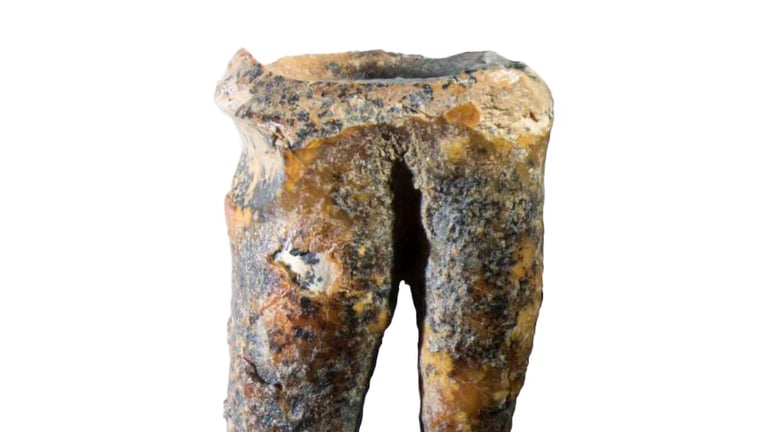


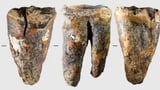
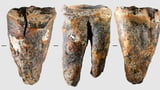
A 59,000-year-old lower molar from a Neanderthal (Chagyrskaya 64) shows a deep cavity drilled into the pulp chamber, indicating an intentional dental intervention rather than accidental damage.
The finding suggests Neanderthals possessed advanced behavioral capabilities, including diagnosis, planning, and execution of procedures aimed at relief beyond basic survival.
The report draws on Washington Post coverage and situates the evidence within archaeological and anthropological context that supports the claim of deliberate medical care.
Experts debate whether the drilling was self-administered or performed by another individual, with some proposing social support during the procedure.
Future work aims to determine if the cavity was later filled with organic material to infer use of antiseptics or analgesics and to identify similar practices in other Neanderthal groups.
This discovery contributes to a broader pattern of Neanderthal healthcare, including use of medicinal resources, challenging the notion that complex healthcare was exclusive to Homo sapiens.
Scholars describe the finding as evidence of compassionate, skilled Neanderthal care, showing high-level manual dexterity, problem-solving, and caregiving in a cave setting.
Microscopic analysis and experiments with jasper tools reproduce the drilling and tissue removal, supporting intentional, non-random behavior.
Micro-CT reveals grooves on the tooth walls consistent with rotation or drilling by a hard stone tool, aligning with an invasive procedure.
Experts see cognitive convergence between Neanderthals and modern humans in adopting invasive medical practices and caring for those with injuries or ailments.
The patient appears to have continued using the tooth afterward, with the procedure likely conducted by someone else, reflecting communal care rather than solitary action.
The individual whose tooth was studied was an adult, and other evidence indicates use of toothpicks for cleaning, highlighting everyday health practices alongside medical intervention.
Summary based on 12 sources
Get a daily email with more World News stories
Sources
Ars Technica • May 13, 2026
Neanderthals drilled cavities to treat a toothache 59,000 years ago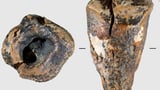
Gizmodo • May 13, 2026
Neanderthal Dentists Treated Cavities With Stone Drills. Yes, Really
Yahoo News • May 13, 2026
Tooth from Siberian cave reveals Neanderthal dental surgery