Breakthrough: Engineered E. coli Produces Eco-Friendly UV Shield, Gadusol, for Future Sunscreens
May 13, 2026

Context around gadusol highlights its role in protecting fish embryos from UV, its transparency, and ongoing interest in replacing harmful components in some sunscreen products.
The research was funded by multiple Chinese science foundations and programs, and the findings were published on May 13, 2026, in Trends in Biotechnology.
Researchers at Jiangnan University genetically engineered Escherichia coli to synthesize gadusol, a natural UV-protective compound found in zebrafish eggs, by rebuilding and optimizing its production pathway inside the microbe.
Experts describe gadusol as a promising, greener alternative for sunscreen ingredients, though there is no direct comparison with current commercial sunscreens, and questions remain about long-term safety, large-scale production, and regulatory approval.
The optimized microbial pathway yielded an extraordinary 93-fold increase, rising from about 45 mg/L to roughly 4.2 g/L of gadusol.
The study, published in Trends in Biotechnology, argues that microbial production could meet future demand for natural sunscreen ingredients while reducing environmental costs tied to harvesting from nature.
While gadusol holds eco-friendly appeal, substantial materials-science and pharmaceutical-formulation work remains before market-ready products can emerge.
Researchers expect the first gadusol-based products could appear within about two years, subject to further development and regulatory clearance.
Some gadusol-containing products may reach the market within roughly two years, signaling progress toward applying microbial production to sunscreens and skincare.
Preliminary tests indicate gadusol has antioxidant activity comparable to vitamin C and may protect skin from UV damage, with a color-based screening test developed to rapidly identify high-producing microbes.
The color-based screening method uses gadusol to neutralize free radicals, shifting a purple signal to yellow and enabling quick identification of higher-producing bacterial strains.
Gadusol’s transparency and antioxidant properties suggest potential UV protection without the milky residue seen in some sunscreens.
Summary based on 4 sources
Get a daily email with more Science stories
Sources

EurekAlert! • May 13, 2026
A marine-inspired sunscreen ingredient made by E. coli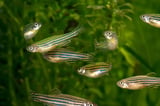
New Scientist • May 13, 2026
Natural sunscreen found in fish eggs can be made by E. coli factories
Talker • May 13, 2026
Chinese scientists working on ‘green’ sunscreen using E. coli
Popular Science • May 13, 2026
Your next sunscreen could be made from E. coli