Revolutionary RNA Sequencing Method Unveils New Insights for Precision Medicine and Disease Treatment
May 15, 2026

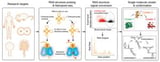
A new method, sm-PORE-cupine, combines chemical labelling of non-paired RNA bases with direct RNA sequencing through nanopores to achieve full-length, single-molecule analysis of RNA structures.
Optimised chemical markers act as signposts for exposed RNA regions likely to influence folding, while nanopore sequencing reads the entire molecule to capture detailed structural information.
The approach lets researchers study how RNA structures govern gene regulation, health, and disease at the level of individual molecules.
The work is led by Dr. Wan Yue, Executive Director of A*STAR GIS, with co-lead Dr. Niranjan Nagarajan, and was published in Nature Methods.
Researchers credit the method with signaling a potential paradigm shift in transcriptomics and RNA-targeted therapeutics, thanks to nanopore-based analytics.
Key researchers note the method’s potential for deep insights into RNA structure and function, as well as its transformative implications for biology and medicine.
The research has implications for understanding viral RNA function, including SARS-CoV-2, and could inform RNA-targeted therapeutics, antiviral drug development, diagnostics, and precision medicine.
Applications may include improved disease diagnostics, drug discovery, and precision medicine through a clearer view of how RNA structure governs health and disease.
By revealing how RNA structure governs pathogen gene regulation, the method points to RNA-based targets for therapeutics and antiviral strategies.
ASTAR GIS intends to integrate sm-PORE-cupine into its research infrastructure to accelerate precision medicine and diagnostics by decoding RNA folding at unprecedented scale.
Advanced computational analysis shows that RNAs from the same gene can fold differently, influencing translation efficiency and RNA degradation rates.
The study demonstrates a direct link between RNA structure and cellular outcomes, enriching understanding of gene regulation and disease misregulation.
Summary based on 4 sources
Get a daily email with more Science stories
Sources
EurekAlert! • May 14, 2026
A*STAR scientists develop new method to reveal how RNA structure influences health and disease
BIOENGINEER.ORG • May 15, 2026
A*STAR Scientists Unveil Novel Technique to Decipher RNA Structure’s
News-Medical • May 15, 2026
New technology reveals how RNA shapes influence protein production and stability
Mirage News • May 15, 2026
A*STAR Unveils New Method Linking RNA to Health