GlucoBrain: Revolutionizing Diabetes-Dementia Research with 3D Microfluidic Biochip
May 18, 2026

The GlucoBrain project aims to map the diabetes–dementia link by decoupling and then connecting gut, pancreas, and brain organ systems in a single 3D microfluidic platform to reveal how metabolic changes affect brain function.
The initiative highlights translational benefits: faster, more predictive drug discovery, reduced animal testing, and AI/ML analysis of multi-parameter data for disease progression and personalized treatment insights.
Overall, GlucoBrain seeks to deliver human-relevant, predictive data to accelerate pharmaceutical development and deepen understanding of metabolic–neurological disease mechanisms.
A core goal is to modulate glucose concentrations, hormone gradients, and drug interventions on the chip to study how diabetic metabolic stress impacts neuronal function and cognition, with human-relevant testing reducing reliance on animal models.
Key questions include how gut and pancreas signals influence brain health and dementia, why organ-on-chip models may outperform animal testing, and how patient-specific chips could guide personalized treatment choices.
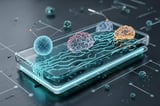
The device will be a multi-organ biochip enabling real-time tracking of signaling and cellular responses to changing glucose and hormone levels, allowing direct observation of inter-organ communication.
Dr. Moschou emphasizes real-time observation and manipulation of gut–pancreas–brain chemical conversations as essential to addressing root causes of diabetes-associated cognitive decline.
The project aims to broaden understanding of diabetes and dementia, potentially yielding new treatments and more human-relevant testing platforms in medicine.
Beyond basic science, GlucoBrain seeks to validate drug behaviors on human cells, accelerate discovery, reduce animal testing, and pave the way for personalized medicine using patient-derived cells.
Researchers model each organ individually before integrating them into a connected system to study glucose regulation, neuronal viability, and gut–hormone signaling with bidirectional microfluidic feedback loops.
The platform uses living human cells in advanced microfluidic Lab-on-Chip systems to recreate 3D tissue architectures, enabling physiologically relevant nutrient delivery, gradients, and mechanical cues for inter-organ signaling research.
Funding from the EPSRC Health Technologies Connectivity Awards underlines a collaborative, interdisciplinary approach to tackling diabetes-related cognitive decline and advancing disease-modifying therapies.
Summary based on 2 sources
Get a daily email with more Science stories
Sources
Neuroscience News • May 18, 2026
Connected Biochip Tracks How Diabetes Triggers Dementia
BIOENGINEER.ORG • May 18, 2026
Innovative Organ-on-Chip Technology Unveils Link Between Diabetes and