Sydney's E-Bike Boom Spurs Debate: Balancing Mobility and Urban Regulation
May 19, 2026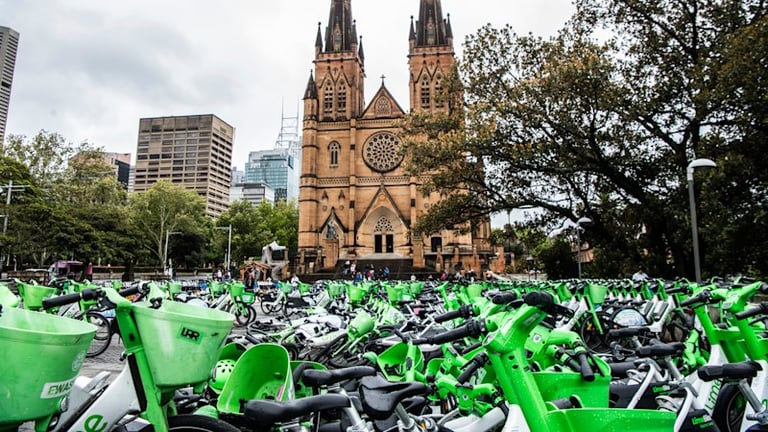

In Sydney, share-bike trips surged to about 3.7 million in 2025, up significantly from the year before, while e-bike fleets more than doubled, with Lime leading the growth as it expands from the CBD into a wider suburban ring.
Lime, now the largest share-e-bike operator, is pushing expansion into additional councils and areas including Parramatta, sparking debates over footpath use, street governance, and transport policy.
Local councils retain limited powers to curb operators and largely manage complaints, parking, and enforcement under existing frameworks, revealing governance gaps in regulating the schemes.
Council responses call for fleet caps, higher operator contributions, geofenced restrictions in busy pedestrian zones, and expanded parking zones, while infrastructure costs like bike bays strain local budgets.
Residents and officials have mixed views: Lime improves mobility in hilly or transit-poor areas, yet others deem bikes disruptive or invasive in public space.
The situation serves as a test case for turning a popular mobility solution into well-regulated urban infrastructure, drawing on overseas examples to show schemes can work with proper regulation.
Experts anticipate a sharpening regulatory battle and emphasize public education about e-bikes to broaden adoption and reduce car dependency.
The NSW Minns government is pursuing legislation to empower state and local authorities to regulate operators, with funding to cover enforcement and reduction of discarded bikes.
The proposed framework would allocate trip-based revenue to transport and enforcement, while councils seek control over parking, geofencing, zones, and fines for improper parking.
Lime defends its approach, highlighting geofencing, designated zones, rider education, and rapid removal of improperly parked bikes as compliance improves amid higher fuel costs.
The core debate centers on whether e-bikes offer a convenient, eco-friendly option or contribute to clutter and safety hazards on footpaths, requiring a balance of benefits and public space preservation.
A proposed funding model would impose an 80-cent per trip fee, with 60 cents to Transport for NSW and 20 cents to councils for enforcement and infrastructure, a plan criticized by some, including the Sydney lord mayor.
Summary based on 2 sources
Get a daily email with more Australia News stories
Sources

The Sydney Morning Herald • May 19, 2026
The suburban Lime bike wave and the battle for Sydney’s footpaths
The Sydney Morning Herald • May 19, 2026
Sydney should make share e-bikes work this time around