Japan Overhauls Intelligence System Amid Protests and Regional Concerns Over Militarization
May 27, 2026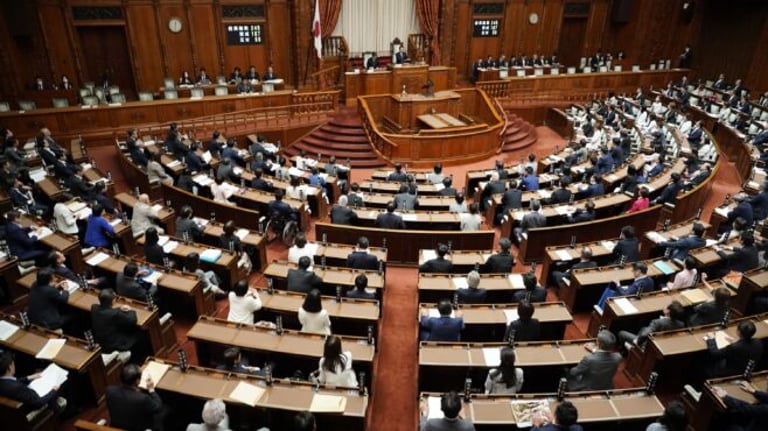

Japan’s parliament has approved a law to create a National Intelligence Council and a National Intelligence Bureau as a centralized center for gathering and coordinating intelligence to counter overseas threats, marking a major reform championed by Prime Minister Sanae Takaichi.
The government intends the council and its secretariat to oversee intelligence reform, signaling the first phase of a broader plan to strengthen counter-espionage and adapt to an increasingly complex security environment.
Analysts warn the reform could reshape regional security dynamics and raise concerns about militarization and potential implications for East Asia stability, even as supporters frame it as essential for national safety.
Media coverage varied, with some outlets reporting the passage factually while others highlighted dissent and warnings from experts about the militarization of intelligence reforms.
Advocates describe the bill as a critical step to base policy on accurate information and to adapt to a more complex threat landscape.
Public reaction included large protests outside the National Diet Building, with civil society groups voicing concerns about the bill’s long-term impact on democracy and privacy.
Opposition parties attached supplementary resolutions focusing on personal information protection and demands for timely explanations to the Diet about the council’s activities.
Experts warn the move hints at a return to wartime-style intelligence capacity and neo-militarism, potentially elevating regional tensions.
Overall, analysts warn the reform could intensify intelligence competition in the region and undermine East Asian stability, prompting heightened vigilance from neighboring countries.
Civil liberties concerns persist due to limited parliamentary oversight, raising fears of rights infringements and politicization of intelligence.
Critics warn that expanding the intelligence apparatus risks government overreach and privacy violations, with protests directed at the broader defense and security agenda.
Concerns were raised about protecting personal information and safeguarding civil liberties amid the new powers.
Summary based on 10 sources
Get a daily email with more World News stories
Sources

NHK WORLD • May 27, 2026
Japan's parliament passes bill to create national intelligence bureau
The Mainichi • May 27, 2026
Japan enacts law centralizing intelligence gathering, rights fears remain - The Mainichi
Japan Wire by Kyodo News • May 27, 2026
Japan enacts law centralizing intelligence gathering, rights fears remain
News On Japan
Japan Passes Law Creating New Intelligence Council