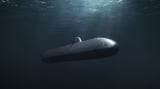
Germany and Norway Seek Canada's Partnership in Multibillion-Euro Submarine Defense Collaboration
May 28, 2026

Germany and Norway are pursuing a multibillion-euro defense collaboration centered on the Type 212 CD submarines, with Canada eyed as a key future partner in a broader NATO-aligned push.
Canada’s decision on the submarine acquisition is expected by the end of June, amid competition from South Korea’s Hanwha Ocean bid.
Defense Minister Boris Pistorius travels to Ottawa to strengthen military-industrial ties beyond a single purchase, signaling a broader external armaments economy and interoperability standards across NATO allies.
Bids from the two main contenders were submitted in early March, with extended timelines for detailed economic proposals and offsets to maximize domestic benefits.
Canada will weigh delivery schedules, industrial benefits, and geopolitical signaling, while prioritizing the Royal Canadian Navy’s operational needs and national interests.
Delivery timelines favor Hanwha with the first KSS-III expected by about 2032 and full fleet deployment in the mid-to-late 2030s; TKMS’s 212CDs face a longer, less transparent production timeline amid a crowded order book.
Analysts highlight that the decision carries broader implications for defense-industrial strategy and policy signals, not just technical capability.
Industrial and technology benefits will be a major factor, with Hanwha proposing extensive Canadian investments and partnerships, while TKMS emphasizes sovereign sustainment and deeper NATO integration.
Canada seeks domestic economic benefits, with proposals for Canadian production components and partnerships at Seaspan, CAE, and potential aerospace and space collaborations.
All submarines would be identical and interoperable, with potential construction split between Halifax and Esquimalt to support Arctic operations.
The competition pits Germany/Norway’s infrastructure-heavy bid against South Korea’s faster-delivery, technology-focused approach, each with distinct timelines and benefits.
Geopolitical framing emphasizes NATO Arctic defense and alliance integration, while the Korean bid could imply greater Indo-Pacific alignment.
Summary based on 15 sources
Get a daily email with more World News stories
Sources
Yahoo News • May 28, 2026
Germany’s defense minister makes rare personal pitch for submarine deal in Ottawa
CBC • May 28, 2026
Germany's submarine bid pledges $86B investment, jobs in Canada
CBC • May 28, 2026
Germany pledges four submarines by 2036 in high-stakes pitch to Canada