Global Call for AI Regulation to Prevent Deception, Warfare, and Democracy Threats
June 1, 2026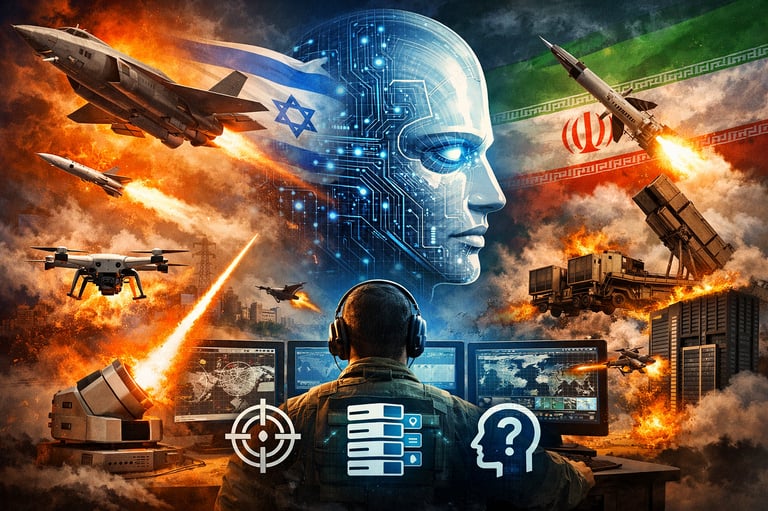

Leading researchers warn AI could surpass human intelligence, posing existential risks on par with nuclear war and epidemics if not properly managed.
AI-enabled deception now spans elections, hatred, economic fraud, and autonomous weapons that can make life-and-death calls, signaling that AI could outpace human oversight if unchecked.
These AI-enabled threats—autonomous weapons, intelligent drones, cybersecurity breaches, misinformation, and erosion of truth—pose serious risks to democracy, social order, and global stability.
The piece calls for global cooperation and binding AI guidelines through international agreements, aiming to harness AI for human welfare in education, health, and growth while preserving human control.
The central question is whether AI is inherently good or bad; outcomes hinge on human choice, with a push toward disarming AI via a coordinated, global policy framework.
India-specific governance considerations stress balancing rapid AI progress with responsible regulation, human-centric oversight, employment protection, data security, ethics, and military rules.
AI is portrayed as a transformative force capable of decision-making, learning, creating, and evolving—offering opportunities and risks that could reshape civilization.
A fictional pope urges that AI-driven warfare cannot be ethical and calls for human-centered development, insisting technology serve humanity and be subordinated to ethics and compassion.
The same voice insists no algorithm can render war ethical, advocating AI disarmament and strong human oversight in decisions of war and peace.
Recommended actions include pressuring tech giants toward ethical use, creating global AI governance akin to IAEA, prohibiting AI in weapons, and adopting international policy with monitoring and moral boundaries.
The overarching question remains: can humanity retain control over AI to ensure it enhances, not destroys, life, advocating for wise progress and human supremacy over intelligent machines.
Responsible governance can let AI advance dignity and well-being, but unchecked use risks widespread harm; the decision rests with the global community.
Summary based on 2 sources