EU Parliament Approves AI Ban on Explicit Images, Balances Innovation with Safety
June 16, 2026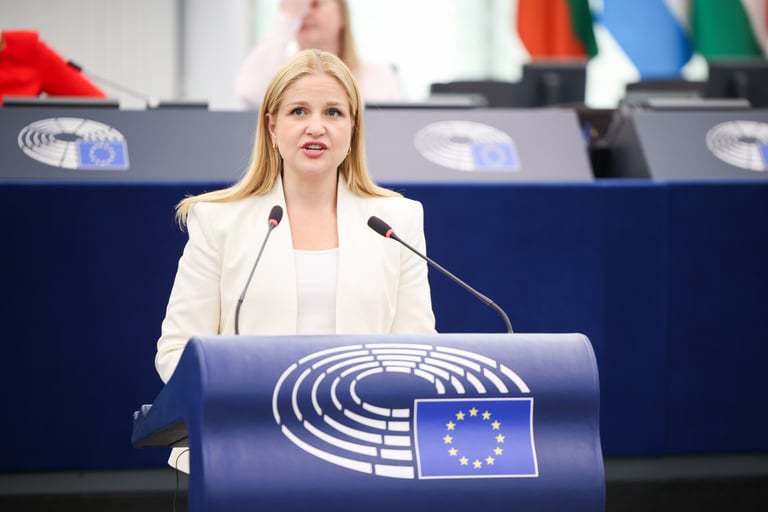

The European Parliament has approved a ban on AI systems that generate sexually explicit images, including child sexual abuse material and non-consensual depictions, with final adoption by the EU Council required before it takes effect.
Other parts of the AI Act provide temporary regulatory relief for industry and simplify scope for AI in business, while long-term content labeling enforcement is set to begin by December 2026.
The ban targets deepfake tools by ensuring accountability for both users and providers, without broadly restricting image manipulation or creation.
Related EU developments and other news items are noted on the same page.
The move signals the EU’s commitment to regulating AI development and adapting policy quickly, supported by Commission proposals and statements from MEPs.
Lawmakers emphasize balancing innovation with stronger protections against harmful AI uses, especially nudification-related applications.
Other amendments streamline machinery-product rules by aligning them with sectoral safety rules, while preserving health and safety protections and clarifying safety elements.
The reforms seek to reduce bureaucracy and duplicate reporting, strengthen protections against abusive AI uses, and define safety elements clearly.
EU officials forecast at least one billion euros in savings from reduced regulatory burdens for companies, administrations, and citizens.
The reform relaxes some AI Act provisions—delaying rules for high-risk uses like law enforcement and healthcare, and extending compliance timelines to support businesses—while excluding certain sectors from AI-specific regulation.
Amended rules clarify that general-purpose and high-risk AI systems may process personal data to detect and correct biases, with safeguards in place.
Enforcement remains uncertain as national authorities lack full powers until member states designate authorities; eight countries have market surveillance bodies and powers are split among national bodies, the European AI Office, and the Commission.
Summary based on 13 sources
Get a daily email with more World News stories
Sources

• Jun 16, 2026
European Parliament AI nudification
The Sofia Globe • Jun 16, 2026
European Parliament approves AI Act amendments, ‘nudifier’ ban
RTÉ • Jun 16, 2026
Social media firms face €35m fines over AI nudifier tools
Tech Policy Press • Jun 16, 2026
EU Lawmakers Move to Ban AI Nudifiers, but Enforcement Remains Unclear