UNICEF: 1.1 Billion Children Face Triple Climate Threats, Urges Global Action on Resilience
June 16, 2026


In India’s market, SEBI and policymakers are tightening requirements for transparent reporting on carbon footprints, resource management, and climate risk as part of broader net-zero goals.
UNICEF reports that nearly half of children worldwide—about 1.1 billion—are exposed to at least three climate risks at once, with droughts, extreme heat over 35°C, and heatwaves the most common combination.
Using a map of eight climate hazards—coastal and river flooding, drought, tropical storms, heatwaves, extreme heat, fires, and sandstorms—the analysis links exposure patterns to roughly 2.4 billion children.
The report stresses that the quality of corporate disclosures and actual delivery on sustainability promises are critical differentiators for long-term investor value.
Regions most at risk include Sub-Saharan Africa, parts of South Asia, and small island states, where socio-economic factors magnify vulnerability and limit response capacity.
Improved planning and investments in child-centered services are essential to help communities withstand shocks and protect children’s health, education, and survival.
Policy focus: data should help governments strengthen preparation for worsening impacts by safeguarding core services like health, food, water, education, and protection for children.
UNICEF calls for reducing emissions and strengthening climate adaptation to protect children through resilient health, education, and infrastructure services.
UNICEF Germany officials say the atlas helps governments plan resilience and emergency response, while calls for continued climate action and support for affected countries.
The report situates the data within global climate targets like the Paris Agreement’s 1.5°C goal, noting progress has been uncertain and highlighting the U.S. withdrawal as context.
Many buildings, including kindergartens and schools, fail to account for rising heat, underscoring the need for climate-safe design and planning.
The organization emphasizes safeguarding children from climate impacts and improving access to basic services to reduce vulnerability.
Summary based on 12 sources
Get a daily email with more World News stories
Sources
The Guardian • Jun 16, 2026
Half of world’s children exposed to at least three climate hazards, Unicef says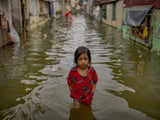
Al Jazeera • Jun 16, 2026
Nearly all children globally exposed to at least one climate hazard: Report
Whalesbook • Jun 16, 2026
Climate Risks: Why Investors Are Monitoring New Data