Church of England Apologizes for Forced Adoption Scandal, Plans Redress Scheme by 2026
June 18, 2026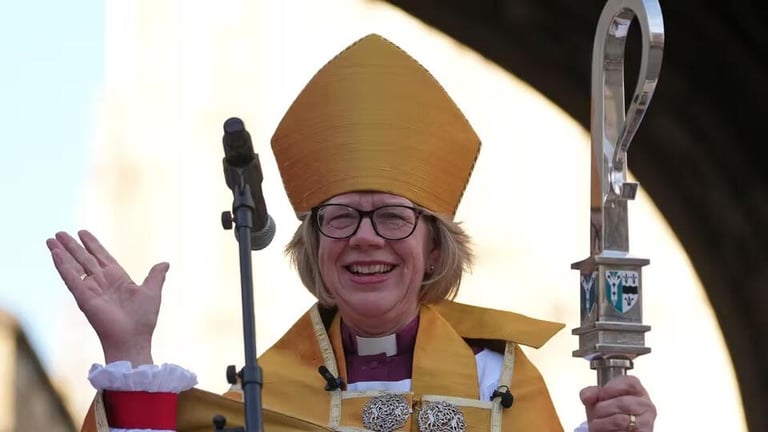

Mullally paid tribute to survivors, reaffirming a commitment to listen, lament, learn, and drive change while supporting those affected and seeking to restore moral authority through accountability and transformation.
The report shows many unmarried women were subjected to menial labor as punishment, with babies treated as commodities to meet adoption demand.
Despite policies affirming mothers’ rights to keep their children, staff and adoption collaborators in homes often ignored guidance, reflecting dehumanizing attitudes toward vulnerable women and their children.
The Church of England has issued a formal apology for the pain, trauma, and stigma caused by historical forced adoption in church-affiliated homes, emphasizing that the shame lies with the church, not the survivors.
Archbishop of Canterbury Sarah Mullally delivered the apology, signaling a high-level acknowledgment from church leadership.
The apology acknowledges the Church of England’s role in postwar forced adoption practices, recognizing the hurt and stigma experienced by those affected.
The Church is offering support services at the parish level and provides online resources to assist those affected.
A formal redress scheme is planned to open by the end of 2026, with eligibility decisions made case by case and survivors encouraged to register for updates.
Church leadership outlined a process of listening, lamenting, learning, and changing, including transferring records to local archives where possible, though some records may be incomplete or lost.
The apology does not include immediate compensation, but the redress scheme could offer up to 660,000 pounds in rare cases, with eligibility determined individually and potentially tied to coercive adoptions connected to church settings.
Church leaders acknowledged harms including humiliating labor practices and prejudice based on race and disability, emphasizing listening, lamenting, learning, and implementing change to prevent recurrence.
Steps toward redress include making adoption records accessible via local archives and establishing a dedicated scheme launching by year’s end, with financial support, therapy, and spiritual assistance as part of the response.
Summary based on 8 sources
Get a daily email with more World News stories
Sources

The Guardian • Jun 18, 2026
Church of England apologises for role in forced adoptions
BBC News • Jun 18, 2026
Church of England apologises for role in forced adoptions
Cyprus Mail • Jun 18, 2026
Church of England leader apologises for historical forced adoption practice
ABC News • Jun 18, 2026
Church of England apologizes for role in forced adoptions as recent as the mid-1970s