HPV Vaccine Cuts Cervical Cancer Deaths by 63% in England; Future Uptake Critical, Experts Warn
June 18, 2026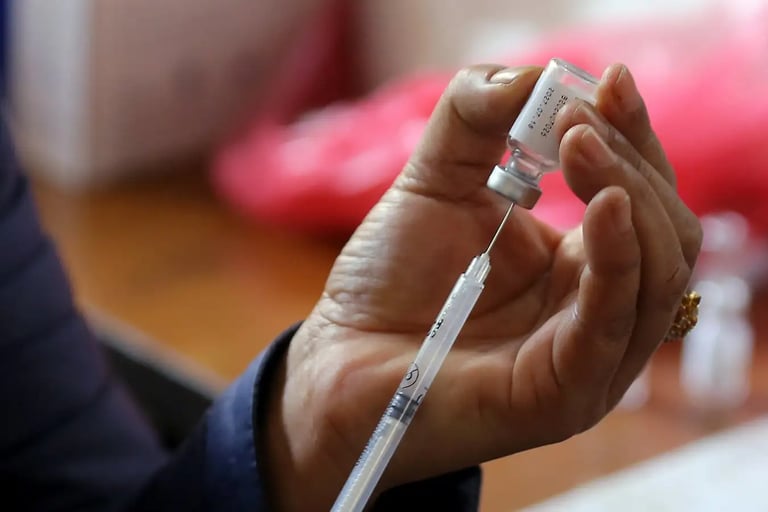

A Lancet analysis finds that HPV vaccination has substantially reduced cervical cancer deaths in England, with about 200 lives saved and a 63% lower relative risk of death among vaccinated women aged 30–34.
Among women aged 20–24, no cervical cancer deaths occurred in England from 2020 to 2024, reflecting early protection from the vaccine.
Researchers attribute these declines to high vaccination uptake—about 90% at ages 12–13 for the cohort—plus early protection that reduces both infections and future cancer deaths.
Despite optimism, global HPV vaccine uptake remains low and there are concerns that UK rates could fall post-COVID, threatening future cancer death trends.
Findings suggest the vaccine’s benefits extend beyond infection prevention to potentially preventing cancers that screening might miss, addressing fears it only affects screen-detectable cancers.
Experts expect further declines in deaths as more people are vaccinated and as vaccinated cohorts age.
However, declining HPV vaccination uptake could reverse gains, with studies projecting 15–25 additional avoidable deaths per year in young women and up to ~200 annually if pre-COVID uptake returns.
Cancer Research UK notes England’s vaccination rate remains below the WHO target of 90% by age 15; in 2024–25, about 76% of girls were vaccinated, with 75% nationally and 60% in London.
Low uptake could lead to higher future cervical cancer incidence and mortality, underscoring the need for broader vaccination coverage.
Personal stories, like Alexandra Legg’s cervical cancer diagnosis at 30 in 2021, illustrate the vaccine’s potential to prevent outcomes that devastate families.
Cervical cancer remains the 14th most common cancer among UK females, with roughly 3,300 diagnoses annually, and HPV infection is linked to about 99% of these cases.
Estimates suggest around 200 lives saved so far, with the potential for long-term protection possibly reaching thousands of avoided deaths.
Summary based on 3 sources
Get a daily email with more Science stories
Sources

The Guardian • Jun 17, 2026
HPV jabs cut risk of dying from cervical cancer before 30 to almost zero
BBC News • Jun 17, 2026
Cervical cancer deaths fall to zero in young women given vaccine
New Scientist • Jun 17, 2026
No young women have died of cervical cancer in England for years