Homo Naledi Burial Site: All-Female Mystery in South African Cave Sparks Debate
June 24, 2026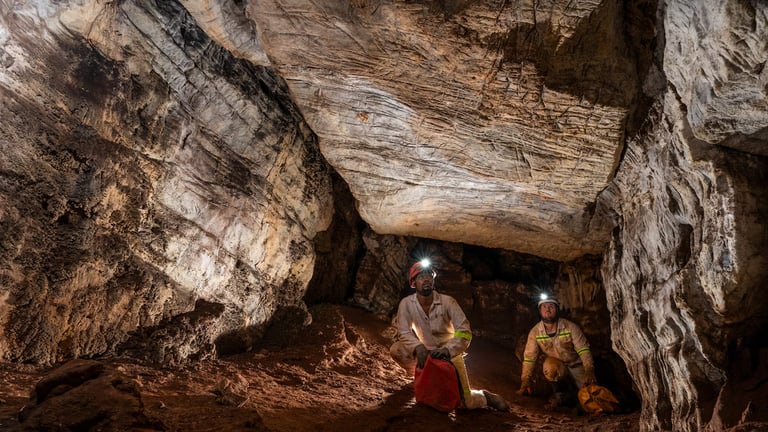

Interpretations include two possibilities: either all individuals were female, or there is a deletion of the AMELY gene in males, which would be unlikely if it occurred across many individuals.
The study emphasizes the need for more data and replication to determine if the pattern holds across additional samples and to explore evolutionary and behavioral implications for Homo naledi.
Alternative explanations include a skewed sex representation due to demographic factors or preservation bias, underscoring the need for further evidence before firm conclusions about social structure or rituals.
Context includes the 2013 Rising Star cave discovery near Johannesburg, with ongoing debates about funerary practices and quotes from researchers offering cautious or alternative interpretations.
Researchers analyzing tooth enamel from Homo naledi in a South African cave propose a potentially all-female burial site in the Dinaledi Chamber, indicated by the absence of Amelogenin-Y, a protein encoded by the Y chromosome.
Some researchers see the result as supporting intentional burial or deposition, while others warn the evidence could reflect sampling bias, preservation, or non-behavioral factors.
Some scientists caution that data could reflect limitations or false positives in amelogenin analysis, necessitating additional verification before drawing firm cultural or behavioral conclusions.
Beyond this finding, the research demonstrates the value of enamel protein analysis for resolving sex and lineage in ancient fossils when DNA is not preservable, potentially influencing assessments of other famous sites.
The discussion touches on broader implications for H. naledi behavior, including potential sex-biased assemblages, cave-access issues, and insights into ecological and social structure.
Published in Cell, the findings raise questions about Homo naledi culture and social organization, suggesting possible complexity in burial practices and challenging assumptions about gender roles.
The Cell study adds to the debate about deliberate burial by H. naledi and calls for further evidence to clarify the site’s social and cultural implications.
Researchers consider the result highly unlikely due to chance and evaluate alternative explanations like AMELY protein degradation or gene deletion, deeming them insufficient.
Summary based on 5 sources
Get a daily email with more Science stories
Sources
History • Jun 24, 2026
Scientist found 20 ancient hominins in a cave, and a mystery: Why are they all female?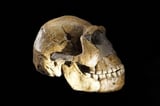
New Scientist • Jun 24, 2026
All known Homo naledi skeletons seem to be female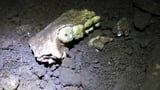
Popular Science • Jun 24, 2026
Burial site of all female extinct human relatives baffles scientists