Duke Team Pioneers Stem Cell Breakthrough for Retinal Disease Therapy and Research
June 30, 2026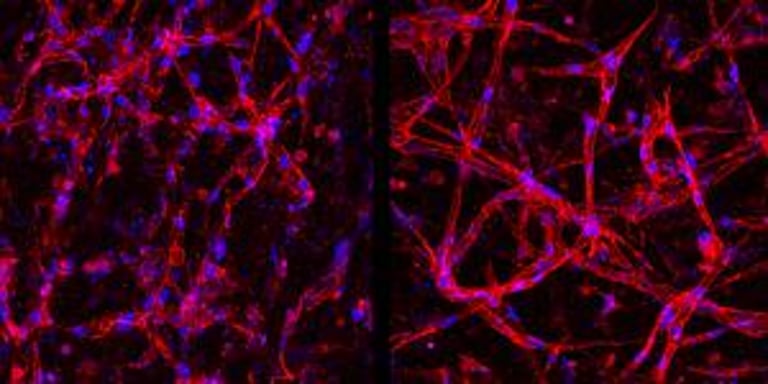

A Duke University team generated retinal endothelial cells from induced pluripotent stem cells and demonstrated they can form functional retinal blood vessels in lab tissue and after injection into mouse models of retinal disease.
This advance points toward preventive and therapeutic options for retinal vascular diseases, potentially lowering costs and variability in cell sourcing.
A patent-pending status covers the stem cell–derived therapeutics and in vitro modeling approaches, signaling strong commercialization potential and collaboration opportunities.
The work is published in Nature Biomedical Engineering on June 30, with funding from NIH, NASA, NSF, and defense fellowships, reflecting broad support for retinal regenerative medicine.
Funding also comes from NIH (EY035853), NASA, NSF, and the NDSEG fellowship, with a pending patent covering stem cell–based therapeutics and in vitro modeling for drug discovery.
The iRECs were produced via a differentiation pathway that activates Wnt–β-catenin signaling (Norrin–Frizzled4) to yield cells that form the inner blood–retina barrier.
Lead researchers include Parker Esswein and Ying-Yu Lin from the Gerecht lab at Duke, with SHaron Gerecht leading the study published in Nature Biomedical Engineering.
Next steps involve broadening lab and industry collaborations to develop therapies and disease models, using the cell-derived tissue for drug testing and personalized medicine.
The retina, as part of the CNS with a blood-retina barrier, presents treatment challenges that this work aims to overcome by generating retinal endothelium from stem cells.
The research emphasizes the retina’s CNS status and explains how the blood-retinal barrier—formed by retinal endothelial cells with pericytes and astrocytes—complicates treatment but can be addressed through stem-cell–driven tissue engineering.
The abstract highlights derivation of functional retinal endothelial cells via the Wnt–β-catenin/Norrin–Frizzled4 pathway, their in vivo integration into retinas, and use in microphysiological models that mimic iBRB morphology in healthy and diabetic conditions.
The team first generated common vascular endothelial cells from iPSCs and then used a specialized growth-factor cocktail to convert them into retina-specific endothelial cells that resemble native retinal vasculature.
Summary based on 6 sources
Get a daily email with more Science stories
Sources
Metro • Jun 30, 2026
Blind people given fresh hope after scientific breakthrough
Neuroscience News • Jun 30, 2026
Researchers Grow Rare Eye Vessel Cells to Halt Vision Loss
EurekAlert! • Jun 30, 2026
Lab-grown retinal cells show promise for new eye therapies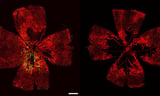
Talker • Jun 30, 2026
Stem cell breakthrough offers fresh hope for treating blindness