SiriusXM's SXM-11 Satellite Launches on Reused SpaceX Rocket, Enhancing Broadcast Fleet
June 30, 2026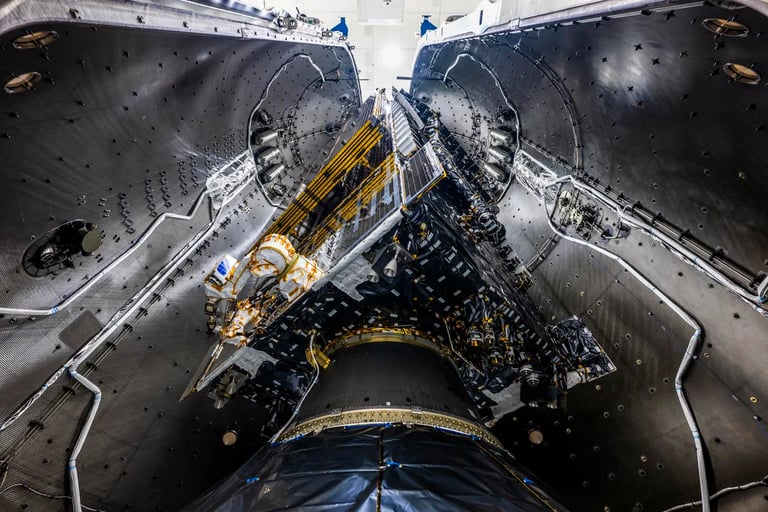

SXM-11, a 15,400-pound SiriusXM broadcasting satellite, launched on June 28, 2026, aboard a Falcon 9 from Cape Canaveral and reached geosynchronous transfer orbit with planned circularization to about 22,000 miles above the equator.
The mission used booster B1085, which has previously flown SXM-8, SXM-9, and SXM-10, highlighting SpaceX’s reused-rocket program.
SXM-11 will join SiriusXM’s fleet as the eighth satellite, advancing the company’s ongoing fleet modernization and service quality for subscribers.
Viewing guidance lists multiple recommended spots along the Space Coast and Treasure Coast, including Sebastian Inlet and various parks, for observers.
Additional viewing locations in Volusia County and along the Space Coast include South New Smyrna Beach, Bethune Beach Park, Apollo Beach at Canaveral National Seashore, and sites in Oak Hill and Port Orange.
Other hotspots mentioned include Playalinda Beach, Jetty Park, Max Brewer Bridge, Space View Park, Cocoa Beach, with notes on parking considerations.
Both launches are expected to travel northeast after liftoff, and officials do not anticipate Brevard sonic booms on Friday.
Live coverage and mission details are available from ULA and coverage maps show visibility from Florida up the East Coast, with live streams linked to SpaceX and Space.com.
Weather was forecast favorable for launch, with an 80% initial go probability rising to 90% as the four-hour window progresses, mainly concerns about cumulus and anvil clouds.
If conditions permit, the launch should be visible across a wide corridor from Florida to New England, with best views along the Space Coast.
The launch follows a late-night/uncrewed Starfall mission and reflects a trend of frequent SpaceX activity from Florida, roughly 1–2 launches per week in some months.
Live coverage starts about 90 minutes before liftoff with a 15-minute pre-liftoff webcast, including NASA+ content via Prime Video and Florida Today’s Space Team updates.
Summary based on 17 sources
Get a daily email with more Science stories
Sources

Space • Jun 28, 2026
Watch SpaceX launch 15,000-pound SiriusXM satellite to orbit tonight
Orlando Sentinel • Jun 29, 2026
SpaceX moonlit launch marks year’s midway point as pace slows on Space Coast
Florida Today • Jun 28, 2026
SpaceX to launch SiriusXM satellite tonight from Cape Canaveral: What to know