Wildfire Smoke Raises U.S. Ozone Levels, Linked to 318 Deaths Annually: Study
June 4, 2026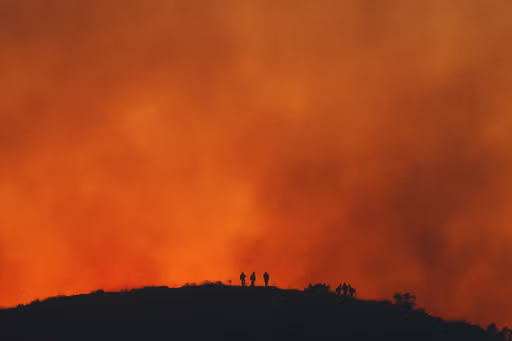


Wildfire smoke, fueled by climate change and longer fire seasons, is linked to higher ozone levels and an estimated 318 additional U.S. deaths per year since 2013 due to ozone exposure.
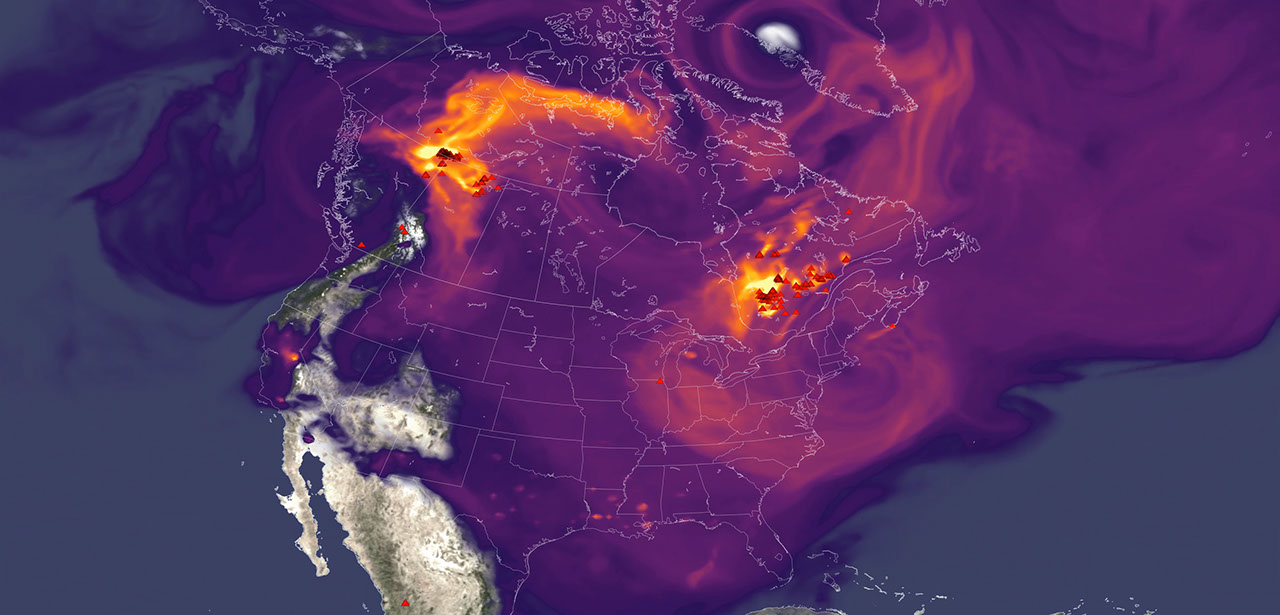
FireAQ, built with NASA support, combines satellite data, models, and fire/aerosol products to inform weekly briefings for state and local officials about predicted smoke movement and pollution risk.
NASA’s TEMPO mission, launched in 2023, provides hourly high-resolution daytime measurements of North American air quality, enabling detailed detection of surface ozone patterns.
Health and policy experts say current air-quality standards aren’t stringent enough to protect public health amid wildfire-driven smog, sparking debate over regulatory strategies across administrations.
Ground monitors alone miss patterns, so NASA satellite observations and models provide national-scale insights that complement the ground network.
The study is placed in the broader context of U.S. air quality trends, with attribution to AP Science Writer Seth Borenstein and a focus on geographies and timelines.
While reductions in human-made emissions cut traditional pollutants, wildfire emissions erode those gains, raising policy questions on wildfire management, land use, and climate action.
Researchers used AI to build a high-resolution nationwide ozone dataset because EPA monitoring covers only about 2% of the country, enabling assessment of smog trends beyond urban centers.
Lead author Weizhi Deng and co-author Meng Zhou are highlighted, with commentary from experts Cristina Archer and Kristie Ebi.
The story situates findings within policy changes under the Biden administration and prior Trump-era adjustments to smog rules, underscoring concerns about current standards for public health.
Mitigating climate change and boosting fire prevention could improve air quality and public health, according to the study.
Cleaner-air progress has stalled or reversed due to wildfire activity, signaling a need to reassess air-quality strategies in light of climate considerations.
Summary based on 13 sources
Get a daily email with more World News stories
Sources
NASA Science • Jun 4, 2026
NASA-Funded Study Shows Wildfire Smoke’s Hidden Ozone Toll - NASA Science
The Guardian • Jun 4, 2026
Wildfire smoke has reversed US progress toward ozone air quality, study finds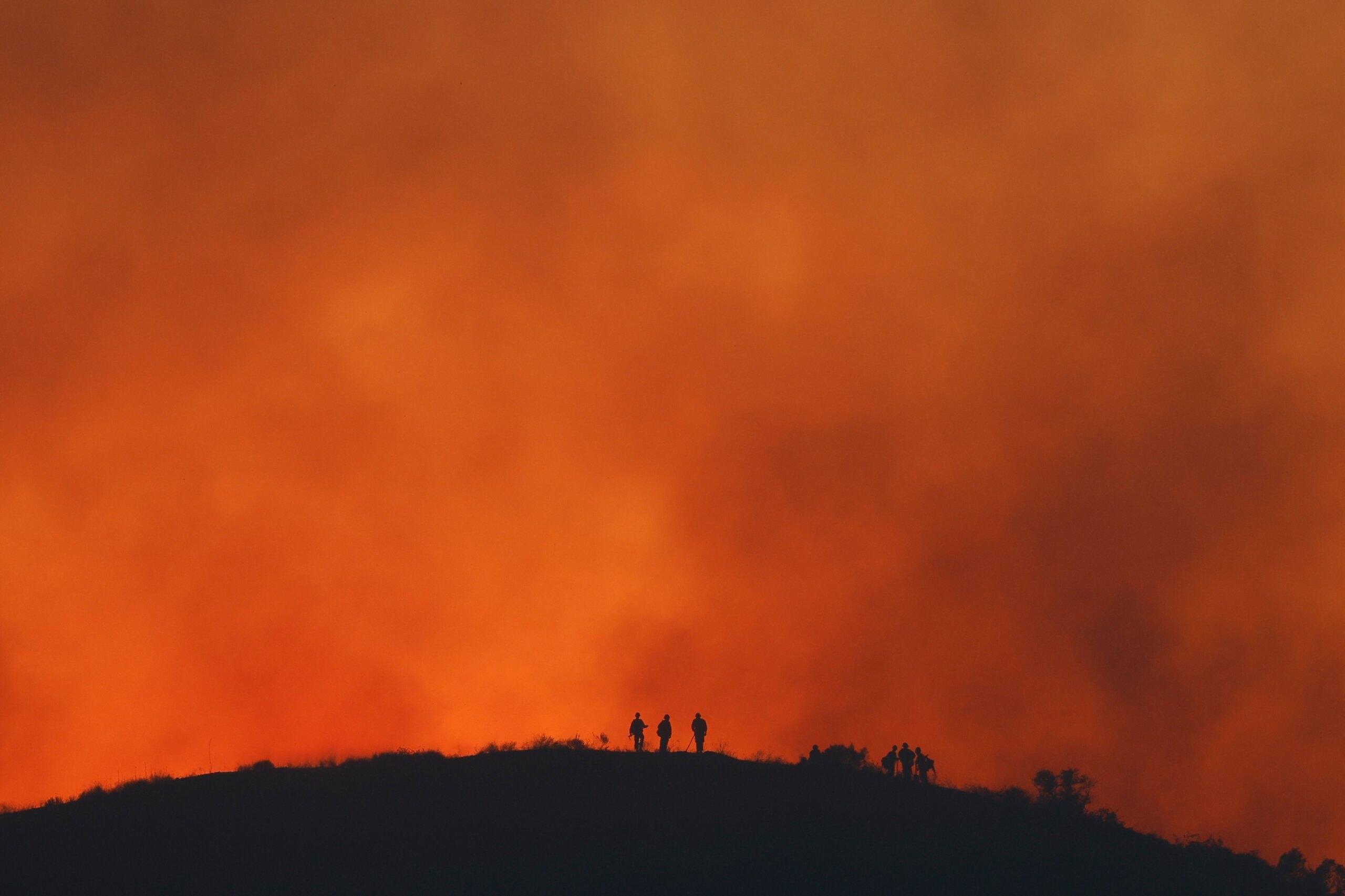
WTOP News • Jun 4, 2026
Wildfires are making the US smoggy again, reversing progress on cleaner air, study finds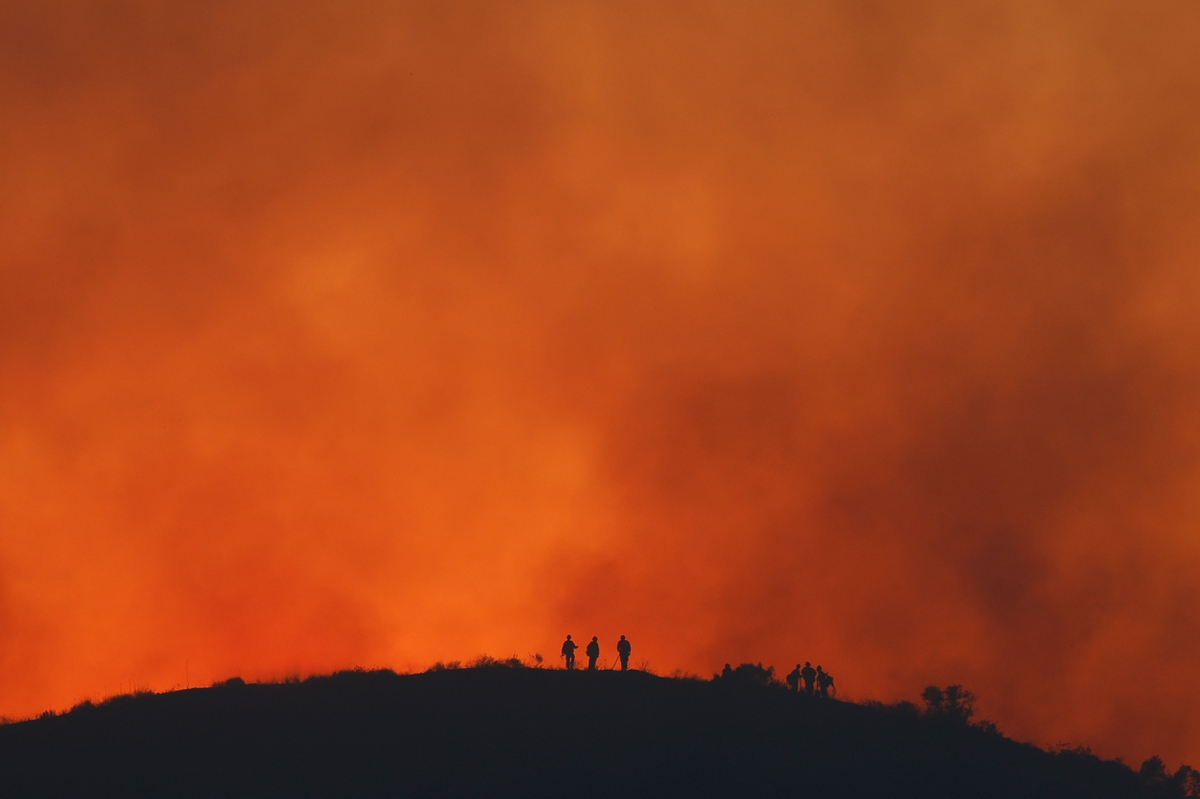
Las Vegas Sun • Jun 4, 2026
Wildfires are making the US smoggy again, reversing progress on cleaner air, study finds