Artemis Missions Face Micrometeoroid Threats: NASA Prepares for Potential Launch Delays
June 7, 2026

Aptly named Artemis missions face a real MMOD risk as micrometeoroids and meteor storms travel at high speeds and can impact spacecraft.
Even small micrometeoroid fragments, zipping around 22,000 mph, threaten heat-resistant tiles on the Orion capsule and crew safety during Earth re-entry.
NASA continuously monitors the micrometeoroid environment and debris, with high-severity storms potentially delaying launches or prompting crews to stay protected inside the spacecraft.
Protective strategies extend beyond Artemis: space observatories like Hubble and Webb use dynamic positioning to shield optics, illustrating broad risk-management practices in space operations.
Historical precedents show NASA has postponed missions to avoid meteor storms, underscoring safety-driven launch scheduling.
Forecasting and risk assessments are ongoing, with plans to delay or modify operations during significant meteor activity to safeguard crew and mission success.
Current guidelines support delaying missions or adjusting crew protection when meteor activity is predicted, with forecasts of meteor storms available years in advance.
Lunar mission protection focuses on shielding, material design balance, and potential mission-parameter changes in response to meteor activity.
Mitigation practices are established: JWST and Hubble rotate orientations to avoid meteor showers, illustrating proactive MMOD risk management.
The Artemis context fits within a broader MMOD risk framework, emphasizing precaution as NASA pursues a sustained lunar presence.
Orion and Artemis incorporate MMOD protection through material choices, thickness optimization, and hypervelocity impact testing.
Forecasts foresee four meteor outbursts in the next decade, which could delay Artemis 4 if a storm coincides with launch or activities.
Summary based on 2 sources
Get a daily email with more Science stories
Sources
The News International • Jun 7, 2026
NASA’s Artemis moon missions face potential risk from meteor storms: Here’s why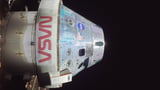
Space • Jun 7, 2026
Could meteor storms harm NASA's future moon missions?