Rising Gas Prices Squeeze U.S. Shoppers' Budgets, Impacting Discretionary Spending and Retail Patterns
June 7, 2026


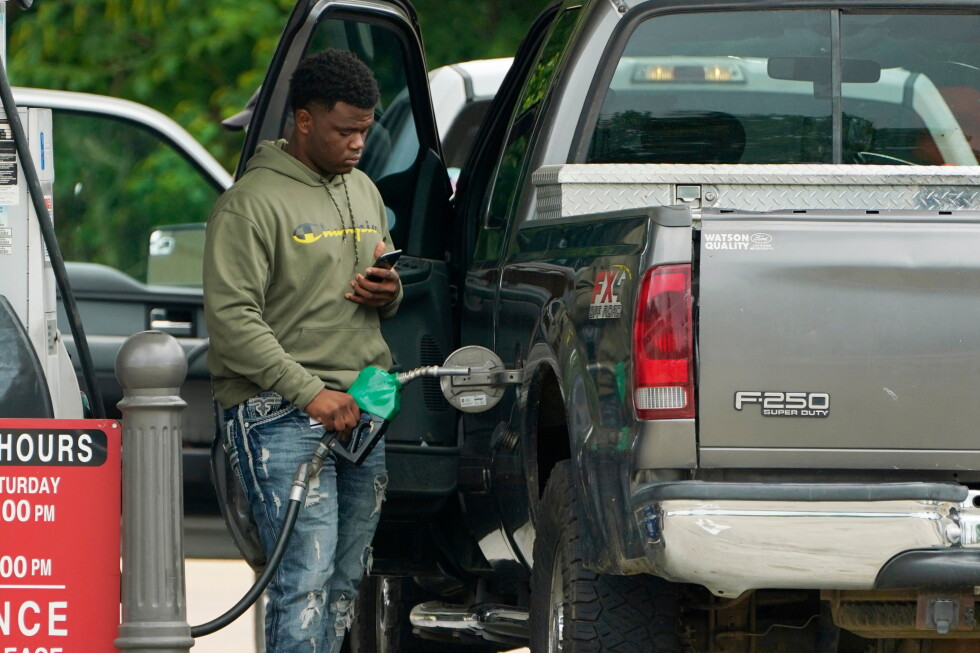
Wholesale clubs and value retailers are drawing more gas traffic due to lower prices, while many shoppers are topping up rather than filling up; some trip averages at Walmart and Sam’s Club have fallen below 10 gallons per visit, signaling stress.
Circana, Placer.ai and other research show overall spending growth driven by higher prices rather than more purchases, with gas price effects intensifying as energy costs rise toward $4 per gallon.
Retailers typically generate 50–60% of annual revenue in the second half, with back-to-school, Thanksgiving, and Christmas periodals; high-end apparel and department stores may see uneven demand.
As gas nears $4 per gallon, fast-food visits fall more sharply among households under $45,000, while higher earners also curb discretionary food spending.
Industry executives caution that the impact is uneven and ongoing, with energy costs and supply-chain disruption likely to persist beyond the immediate conflict.
U.S. shoppers are throttling discretionary spending and changing where and how they shop as fuel and living costs rise, with impacts visible in gasoline, groceries, and nonessential goods.
Gas prices act as a catalyst for broader spending, with the strongest impact when prices approach $4 per gallon, and April growth driven more by prices than by volume.
Restaurants stay relatively resilient in traffic, helped by tax refunds, but higher gas prices are gradually diminishing visits as prices climb further.
Analysts expect notably slower earnings growth for consumer discretionary in Q2 2026 (about 5.2%) versus Q1 2026 (around 40%), reflecting cost pressures.
Consumer confidence declined in May amid inflation concerns tied to the Middle East conflict and higher fuel costs, though sentiment about the job market improved.
If gas stays above $4 per gallon through summer and back-to-school, discretionary spending could be further pressured.
Data sources include Walmart, Sam’s Club, Costco executives, the National Association of Convenience Stores, Circana, and Placer.ai, reflecting multiple angles on gas-related spending behavior.
Summary based on 12 sources
Get a daily email with more US News stories
Sources
AP News • Jun 7, 2026
US consumers alter spending habits as gas prices tax their budgets | AP News

FOX40 News • Jun 7, 2026
From unfilled gas tanks to fewer frills, retailers see US consumers rethink their spendingInvesting.com • Jun 3, 2026
US retailers brace for bigger consumer stress test as war drags on