Redistricting Battle Shifts to States: Southern Democratic Seats at Risk Amid Protests and Political Tensions
June 7, 2026

A national redistricting push is shifting from federal maps to state legislatures, city councils, and other local bodies after the Supreme Court ruling, with the potential to reshape representation and public policy across jurisdictions.
Analysts warn that a substantial number of Democratic-held legislative seats could be at risk in Southern states, with minority communities disproportionately affected, though exact outcomes remain uncertain.
Georgia plans a special session beginning in mid-June to redraw districts for 2028, covering U.S. Congress, the Georgia House and Senate, and possibly the state utility regulatory commission.
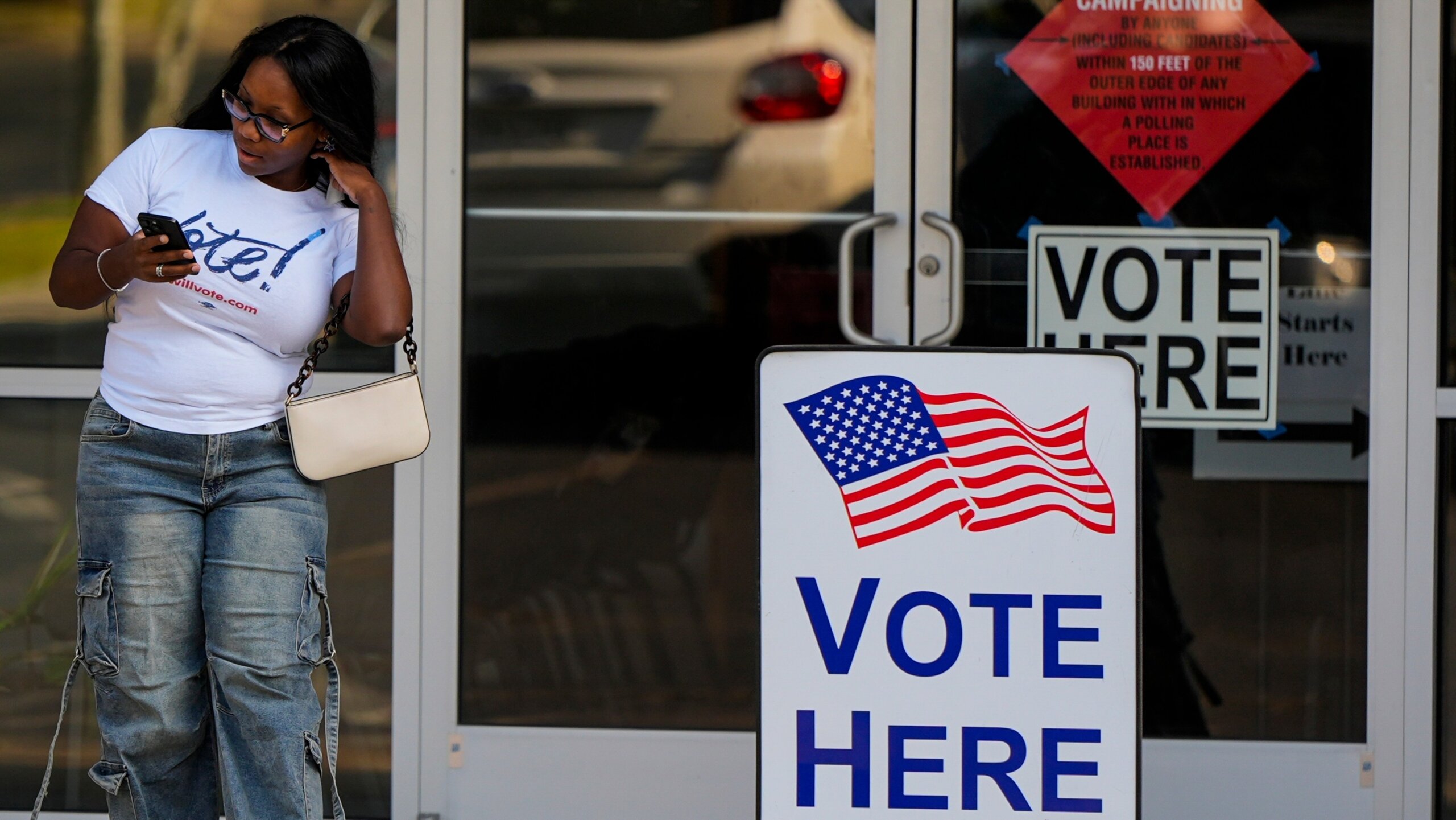
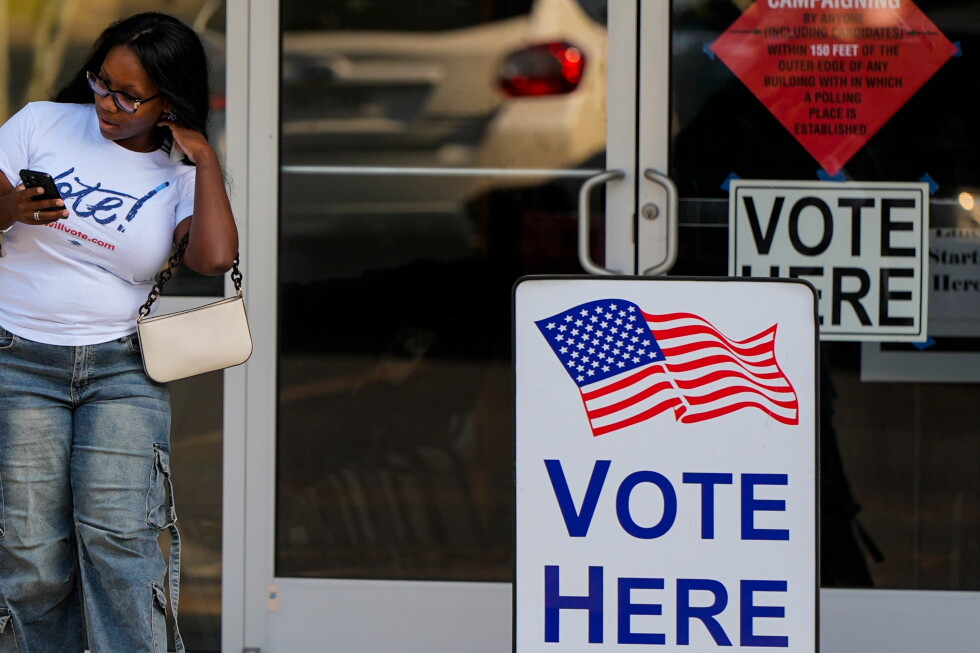
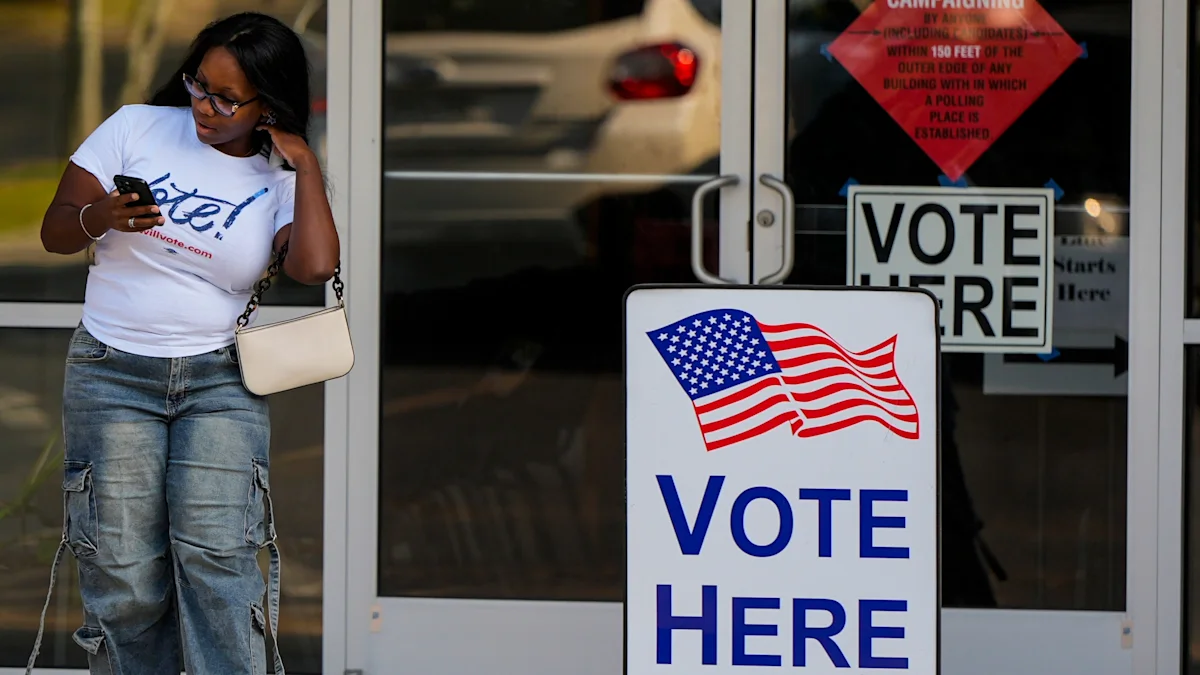
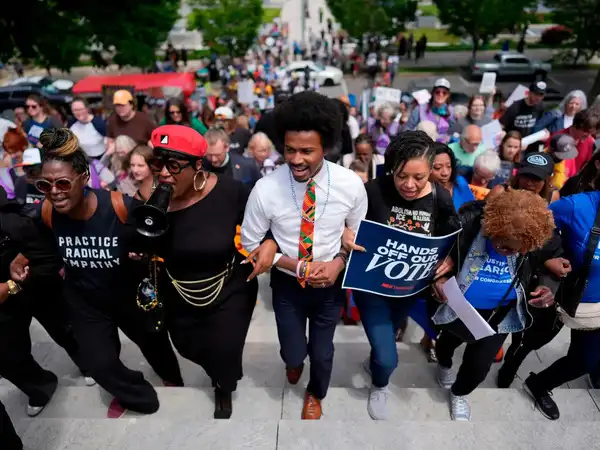
Vivid imagery from voting centers and protests highlights the high public interest and civic engagement surrounding the redistricting process.
The debate centers on balancing representation for communities of color with partisan objectives, as reflected in statements from lawmakers and civil rights advocates.
Ongoing actions and protests related to redrawing U.S. congressional voting maps are noted, with involvement from lawmakers and the public in demonstrations.
Key figures, including Rep. Justin J. Pearson and other political actors, are featured to illustrate leadership and decisions shaping district maps.
Tensions exist between voting rights advocates and lawmakers as maps are reviewed, debated, and potentially altered through formal processes.
The stakes are human and political, with concerns about diluting minority voting power and advancing partisan control, potentially affecting policy areas like taxes, welfare, education, housing, and local services.
Specific events include a Nashville state legislative special session to redraw congressional maps, signaling heightened political activity at multiple government levels.
The judiciary’s evolving stance has made it easier to justify partisan redistricting, even as some local offices operate nonpartisan, complicating how redistricting unfolds locally.
Barriers to mid-decade redistricting exist, with about half the states prohibiting it; where allowed, incentives and motivation vary, and legislatures often rely on Congress as the more dynamic driver of partisan shifts.
Summary based on 19 sources
Get a daily email with more US News stories
Sources
Economic Times • Jun 7, 2026
US: First came Congress. Now a national redistricting battle may turn to statehouses and city councils