EU Unveils 21st Sanctions Package on Russia, Targets Energy, Metals, and Fisheries
June 9, 2026

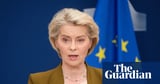
The European Commission unveiled a 21st package of sanctions on Russia, targeting high-impact sectors such as energy, financial services, metals and alloys, drones, and, for the first time, fisheries, with a plan to bar entry into the EU for former Russian combatants.
The package would expand the so-called shadow fleet by adding 30 ships and strengthens measures to deter evasion of the oil price cap.
Export controls would extend to metals and alloys used in aerospace, defence, and drone manufacturing, tightening the bottlenecks in Russia's war economy.
Ukrainian President Zelenskiy reported constructive talks with U.S. envoys about pursuing diplomacy, though negotiations stall as the U.S. prioritizes Iran, with possible discussions tied to a G-7 gathering in Evian.
Zelenskiy attended the Nordic-Baltic Summit in Estonia, where discussions with Estonian and Finnish leaders focused on defense tech, drone deals, and strengthening European defense capabilities.
Estonia and Finland pledged ongoing support, with Zelenskiy stressing defense enhancements and anti-ballistic defenses as part of broader European protection efforts.
Several measures are expected to win approval at an upcoming EU foreign ministers’ meeting, with additional steps anticipated in the weeks ahead after consultations among member states.
Context around the sanctions includes broader European events and maritime security developments, with references to ships, drone components, and related geopolitical dynamics.
Turkey’s role remains nuanced given its NATO membership and past drone sales, implying potential consequences for a key ally if named in EU designations.
Analysts argue that Viktor Orbán is not solely responsible for EU hesitation, highlighting a wider set of internal and external constraints on Brussels’ action.
German Chancellor Merz and Polish PM Tusk affirmed coordinated, united posture with Ukraine and pressed for continued joint efforts to end the war.
Putin benefits in the short term from Western strategic hesitations, a dynamic acknowledged as part of the broader sanction narrative.
Summary based on 19 sources
Get a daily email with more World News stories
Sources
The Guardian • Jun 9, 2026
EU plans to ban Russian soldiers from bloc in fresh sanctions on Moscow
TEMPO.CO • Jun 9, 2026
EU Proposes Entry Ban for Russian Ukraine Combatants
Open The Magazine • Jun 9, 2026
EU Targets Indian Firms in New Russia Sanctions Package: What It Means
Investing.com • Jun 9, 2026
EU proposes 21st sanctions package targeting Russian energy and banks