Rising Mortgage Strain: Australians Face Growing Debt Burden Amid Rate Hikes and Housing Challenges
July 1, 2026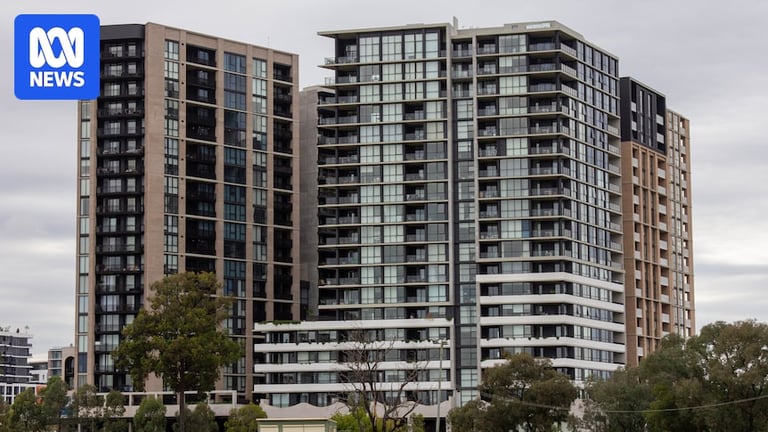

The March 2026 quarter recorded interest payments at $33.6 billion, the fourth-highest on record, underscoring ongoing strain on household budgets.
Policy critique: Reardon argues Labor’s reforms to capital gains tax and negative gearing reduce supply, urging a focus on stable prices and a sustained mix of housing supply and favorable rental conditions over time.
KPMG economist Rawnsley notes households face a heavier interest burden now than at the late-1980s peak, even though official rates aren’t as high, due to larger loans and higher property values.
Higher house prices and bigger loan sizes amplify the impact of rate rises, increasing household budget strain.
Industry perspective: Tim Reardon of the Housing Industry Association says short-term price dips may precede stabilization or rises, emphasizing the need for stable long-term price trends and policy support to keep rental vacancies above 3% for affordability.
Despite official lending rates around 8.3% in early 2026, loans have grown with rising property values, contributing to a higher debt service burden even as rates remain below late-1980s highs.
Australia’s total mortgage servicing burden has surged, with interest payments taking about 5% of household income for servicing alone (roughly 5.4% including consumer debt), and this burden is poised to rise toward 6% as this year’s rate hikes fully feed through.
In the December quarter of 2023 and again from September 2023 to March 2025, total interest payments averaged around 5.8%, despite the cash rate climbing from 0.1% to 4.35%, signaling a persistent rise in servicing costs.
Urban economist Terry Rawnsley of KPMG contends today’s aggregate borrowing burden masks a wide dispersion of individual experiences, challenging the view that borrowing conditions were tougher in the past.
The current generation’s mortgage stress could be broader and more impactful than in the late 1980s/early 1990s, driven by higher debt levels and state-by-state property-price dynamics.
The near-term outlook for rates remains mixed, with economists unsure, as the Reserve Bank signals and broader indicators point in different directions amid slowing growth, higher unemployment, and stubborn inflation.
Housing affordability remains constrained by rising rates, cost of living, and policy changes, with Sydney and Melbourne showing recent price declines but affordability still near historic lows.
Summary based on 2 sources
Get a daily email with more Australia News stories
Sources

The Guardian • Jul 1, 2026
Australia’s mortgage burden is now above 1989 levels – when interest rates were 17%
ABC News • Jul 1, 2026
Recent years tougher for borrowers than enduring 17pc interest rates, analysis finds