Japanese Bacterium Achieves 100% Tumor Eradication in Mice, Outshines Standard Cancer Therapies
July 12, 2026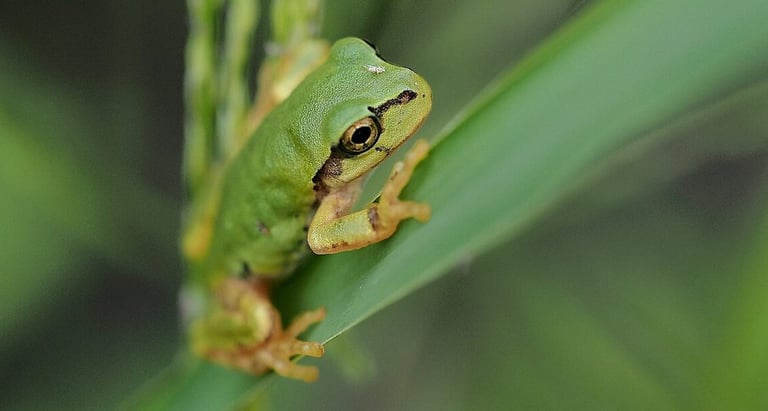

From 45 bacterial strains sourced from the intestines of Japanese tree frogs, fire belly newts, and grass lizards, nine showed anti-tumor effects, with E. americana displaying the strongest efficacy.
A Japanese research team led by Professor Eijiro Miyako found that the gut bacterium Ewingella americana, isolated from the Japanese tree frog, produced a complete tumor elimination (100% complete response) in mice with colorectal cancer after a single intravenous dose.
In colorectal cancer mouse models, a single IV dose of E. americana achieved complete tumor eradication and outperformed standard therapies such as anti-PD-L1 immunotherapy and liposomal doxorubicin.
The study underscores biodiversity as a potential source for future cancer therapies and provides a proof-of-concept for using living bacteria as targeted anticancer agents.
Safety assessments showed rapid clearance from the bloodstream (half-life about 1.2 hours), no colonization of healthy organs, only mild temporary inflammation resolving within 72 hours, and no chronic toxicity over 60 days.
The treatment demonstrated a favorable safety profile, including rapid blood clearance (half-life ~1.2 hours), no bacterial presence in major organs, transient mild inflammation within 72 hours, and no chronic toxicity over a 60-day observation period.
E. americana showed tumor-specific accumulation, largely avoiding healthy organs, likely due to the tumor’s hypoxic environment, CD47-mediated immune evasion by cancer cells, leaky tumor vasculature, and tumor-specific metabolism.
The study, published in Gut Microbes, focused on directly administering individual bacterial strains intravenously to attack tumors, a departure from more common indirect microbiome approaches.
Future work will test efficacy across other cancer types (breast, pancreatic, melanoma, etc.) and explore safer delivery methods, dose fractionation, intra-tumoral injections, and potential synergies with existing immunotherapies and chemotherapies.
The bacterium targets tumors through dual actions: it directly colonizes and damages cancer cells in tumors due to tumor hypoxia and other conditions, and it stimulates the immune system by recruiting T cells, B cells, and neutrophils to the tumor site, promoting cancer cell death.
The authors suggest that lower vertebrate gut microbiomes may harbor uncharacterized bacteria with significant therapeutic potential and highlight biodiversity’s importance in cancer treatment development.
Authors acknowledge the study’s limitation to mice and outline plans to test E. americana against other solid tumors (e.g., breast, pancreatic, melanoma), optimize dosing, and explore combinations with chemotherapy or immunotherapy.
Summary based on 2 sources
Get a daily email with more Science stories
Sources
ScienceDaily • Jul 10, 2026
This frog bacterium wiped out cancer tumors in mice with a single dose
Good News Network • Jul 12, 2026
Japanese Team Finds Frog Bacteria That Wipes Out Cancer Tumors With a Single Dose