Hillsborough Meteorite: Rare CM1/2 Fall Reveals Prebiotic Secrets and Solar System Origins
July 15, 2026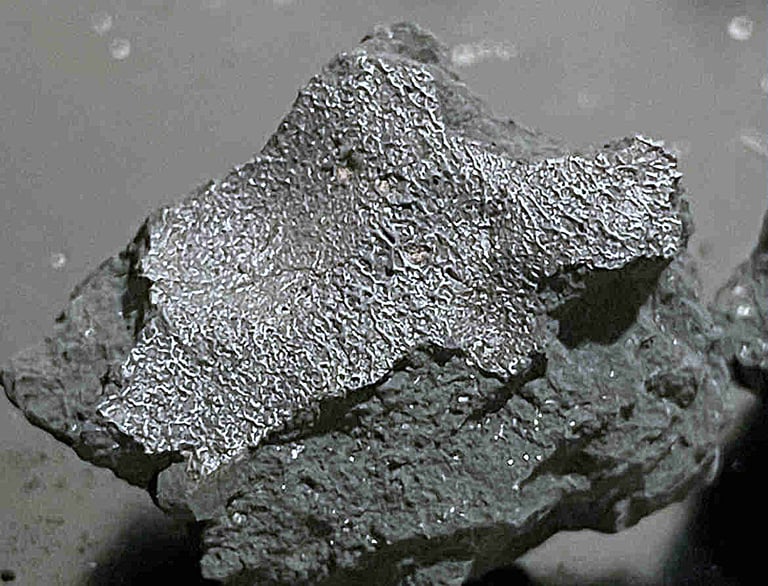

Analyses show the Hillsborough meteorite is a water-altered CM-type with salt-rich near-surface material and a range of soluble organics, including amino acids and carboxylic acids, suggesting briny fluids in its parent body and potential for prebiotic chemistry.
Isotope and composition studies indicate this CM-type meteorite delivered organic matter to early Earth, aligning with the idea that primitive carbonaceous chondrites carried prebiotic compounds.
The specimen contains soluble organic compounds and amino acids, reinforcing the notion that CM-type meteorites could have aided prebiotic chemistry on early Earth.
Event observers note this is the 22nd witnessed CM-type atmospheric entry and one of the few confirmed CM1/2 falls, with pristine preservation credited to prompt documentation.
A meteorite weighing about two pounds crashed through a Hillsborough home roof in July 2024 after a daytime fireball over the East Coast, with multiple witnesses observing the event.
Rapid homeowner action recovered CM-type fragments from Hillsborough in pristine condition, highlighting the role of quick containment in preserving the sample.
Initial analyses describe a larger ~50-kilogram meteorite fragment that landed in Hillsborough, preserved due to prompt retrieval and clean recovery.
Trajectories suggest an inner-asteroid-belt origin, potentially linked to regions observed by NASA’s Lucy mission, with the fall reconstructed from public video, security footage, and Newark radar data.
A 1.35-kilogram Hillsborough fragment was analyzed promptly to retain original composition, improving chances of understanding the rock’s early solar-system history.
Some fragments will be curated and displayed by the American Museum of Natural History, underscoring the meteorite’s value for research and public education, with the related study published in Science Advances.
Classification places the Hillsborough sample as CM1/2, a rare transitional CM-type that is unusually water-altered for its class.
Scientists emphasize that the meteorite’s recent fall and swift collection reduce terrestrial contamination, enabling clearer insights into early solar-system history.
Summary based on 6 sources
Get a daily email with more Science stories
Sources
Phys.org • Jul 15, 2026
Alien world chemistry found inside meteorite that struck New Jersey home
SETI Institute • Jul 15, 2026
Alien World Chemistry Found Inside Meteorite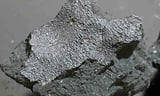
Talker • Jul 15, 2026
Meteorite that crashed in New Jersey may hold clues to how life began