New Primate Species 'Likweli' Discovered in Congo: Unique Features and Ecological Role Revealed
July 15, 2026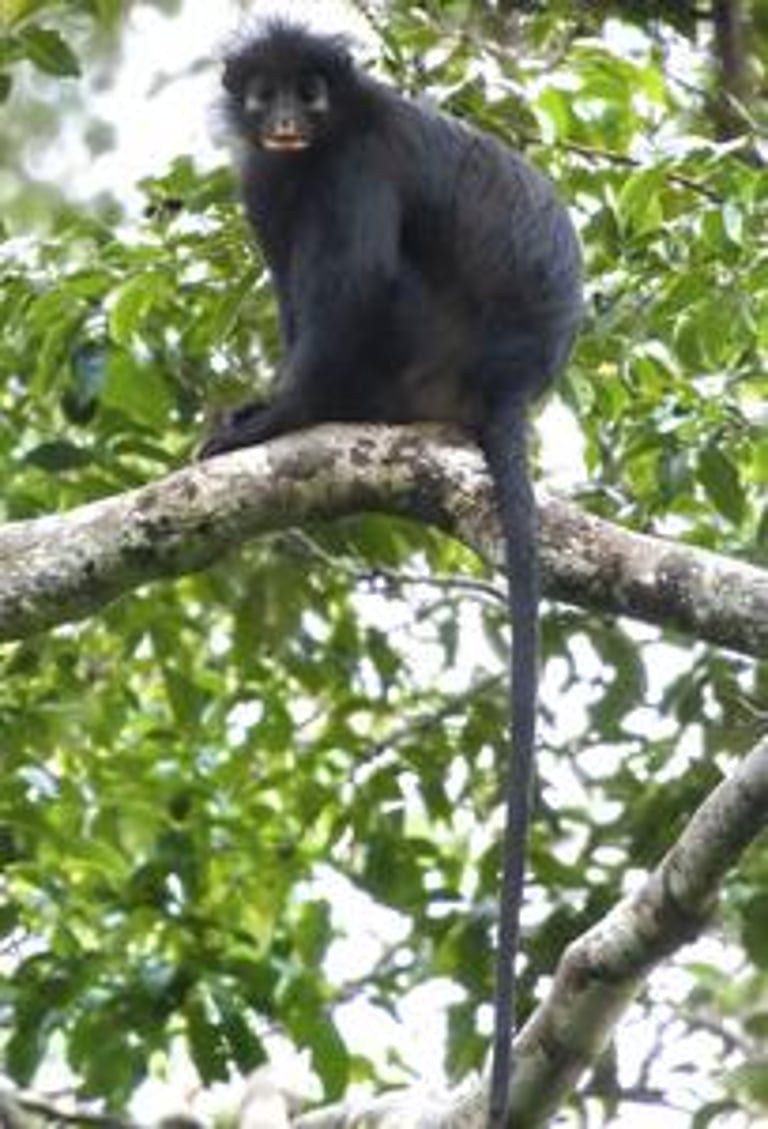


A newly identified primate species, Colobus congoensis, was described in the Democratic Republic of Congo, marking a new orangish-lipped colobus with a distinctive mask-like face and orange cream mouth patch.
Genetic analysis shows Likweli diverged from its closest relative, Colobus satanas, about 4 to 5 million years ago, underscoring a deeply divergent lineage.
The species was confirmed through genetic, anatomical, and acoustic evidence after initial sightings in 2008 and a renewed sighting in 2018, culminating in a formal description.,
Observers describe Likweli as quiet and observant, often lingering high in the canopy to watch observers for extended periods rather than fleeing.
Researchers continue to investigate canopy habitat preferences and reproductive biology, with funding supporting fieldwork to map distribution, behavior, and ecology.
A collaborative study led by researchers from Florida Atlantic University and the Lukuru Wildlife Research Foundation used field observations, skull and pelage comparisons, and museum specimens to validate the species.
Likweli is distinguished by a mask-like facial pattern and a unique body odor, with lighter skin around the mouth and nose that resembles some Asian colobines.
The Likweli Project, launched in 2020, used photographic records, vocal analyses, and genetic tissue analysis to establish the species as distinct.
Experts emphasize that Likweli are shy, canopy-dwelling herbivores likely playing a key role in seed processing and germination within their forest ecosystem.
Acoustic analyses revealed distinct deep, resonant vocal patterns contributing to the species-level identification.
Local communities describe Likweli as elusive, with eight villages reporting 114 sightings from 2018 to 2022 within a 1,700 square kilometer range, aided by hunters' interviews.
Field data indicate a very small, fragmented range of about 1,700 square kilometers between the Lomami and Congo rivers, with 114 sightings from 2018–2022, reflecting isolation by rivers and forest edges.
Summary based on 13 sources
Get a daily email with more World News stories
Sources
Yahoo News • Jul 15, 2026
New Species of Monkey Discovered in the Congo
BBC News • Jul 15, 2026
New monkey species with orange lips found 'hiding' in DRC forest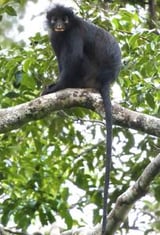
EurekAlert! • Jul 15, 2026
Striking new species of African monkey discovered deep in the Congo rainforest