Gulf States Seek Energy Resilience: New Routes Bypass Strait of Hormuz
July 18, 2026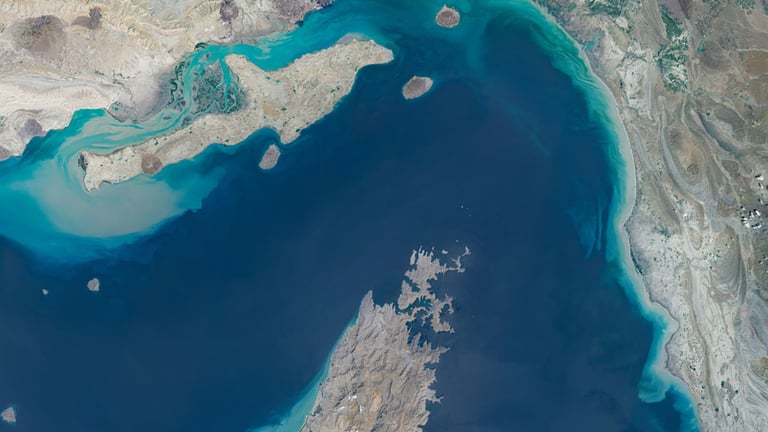

The Strait of Hormuz is prompting Gulf states to develop alternative land corridors, pipelines, and new routes to move oil, gas, and fertilizers, as a way to reduce dependence on the chokepoint.
Disruptions at Hormuz have driven Gulf nations and companies to build bypass infrastructure, aiming to diminish reliance on Hormuz and improve resilience.
Strategic goals include strengthening regional economic integration, attracting private investment with sustained political backing, and aligning with broader initiatives like the India–Middle East–Europe Economic Corridor.
The broader takeaway is a shift toward diversifying energy corridors and boosting energy security through infrastructure, though progress remains uncertain and politically sensitive.
Analysts say the UAE’s rapid diversification could strengthen its bargaining power vis-à-vis Iran and potentially reduce Iranian influence in the region.
Oil prices have shown only a muted reaction to renewed tensions, as supply adjustments by non-Gulf producers cushion the market and demand shifts toward coal and renewables could alter long-term oil reliance.
Capacity expansions include doubling the Abu Dhabi Crude Oil Pipeline, expanding Yanbu and the Neom port area, and Iran’s Goreh–Jask land bypass; Iraq is also boosting routes via Kirkuk to Ceyhan and Aqaba.
The Ukraine crisis and shifts in global energy demand heighten incentives to diversify transport routes and reduce Hormuz-related vulnerability.
China and India pursue greater energy independence and connectivity, moving toward land corridors like Central Asia–Caucasus and partnering with Gulf states to route trade to Europe alongside maritime routes.
Historically, a 1999 idea to create an interconnected Gulf rail network was discussed but never materialized due to regional tensions.
Saudi Arabia is rerouting roughly four million barrels per day from its East–West pipeline to Yanbu, increasing Red Sea crude movement and reducing Hormuz reliance, while the pipeline’s capacity and expansion plans are under consideration.
Saudi Arabia has redirected significant export flows via the East–West pipeline to the Red Sea for shipments to Europe and Asia, with capacity around 7 million barrels per day and talks of further expansion.
Summary based on 3 sources