UK Issues Historic Apology for Forced Adoptions, Pledges Mental Health Support and Redress Measures
July 2, 2026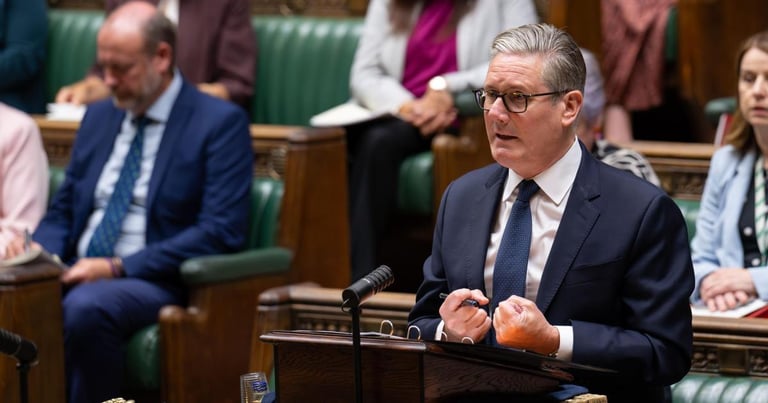

The government cites examples from Ireland and Australia, which have previously issued apologies and provided compensation, placing the move in a broader international context.
Reporter notes include contact via social media due to limited comment capacity and a standard sign-off used for blogs.
The UK government will deliver a formal state apology in Parliament for the forced adoptions of about 185,000 babies born to unmarried mothers in England and Wales between 1949 and 1976, acknowledging the harm caused by public institutions and state actors.
The piece references victims and testimonies, such as Gaynor Weatherly and Diana Defries, to illustrate personal impact.
Next steps include learning from the past, ensuring nothing like this happens again, and involving committees like the Joint Committee on Human Rights and the Education Select Committee in ongoing oversight.
The report notes ongoing support measures and continued political and public discussion, underscoring persistent calls for redress and recognition.
The speech highlighted involvement of local authorities, voluntary and religious organizations, and health and social services in enabling the practices.
Ongoing engagement with affected individuals and families continues, with regular meetings guided by lived experience and coordination with devolved administrations and Northern Ireland’s inquiry process.
In addition, the package includes commitments to improve access to mental health support and to establish a lived-experience reference group to monitor progress.
Policy commitments encompass a national online records access point, a consultation on keeping records for 100 years, swift responses to requests, expanded intermediary services for pre-1976 cases, national virtual peer-led support groups, NHS England collaboration to improve care, and a testimonials project to capture experiences.
Campaigners welcome the apology as a release from stigma and stigma and highlight the long-term trauma experienced by individuals and families.
Advocates stress continuing difficulty obtaining suitable mental health care and access to medical histories, arguing current services are often unaffordable and trauma-informed needs unmet.
Summary based on 25 sources
Get a daily email with more World News stories
Sources

AP News • Jul 3, 2026
UK government apologizes for the state's role in forced adoptions | AP News
GOV.UK • Jul 2, 2026
Prime Minister's statement in the House on historic forced adoption: 2 July 2026

The Guardian • Jul 2, 2026
Keir Starmer issues formal state apology over forced adoption scandal