PRIMA Vision-Restoring Implant Gains CE Mark, Eyes European Rollout Amid U.S. FDA Awaiting Approval
July 22, 2026


Science Corporation’s PRIMA device has earned CE marking from Europe’s medical regulator and is poised for commercial rollout of a vision-restoring implant for geographic atrophy due to age-related macular degeneration.
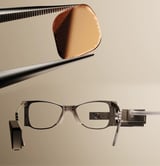
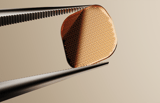
The implant sits beneath the atrophic macula and, paired with specialized glasses that project near-infrared light, stimulates retinal cells to restore functional central vision, including a zoom function for reading text, without reducing residual natural vision.
PRIMA uses a subretinal photovoltaic implant combined with near-infrared light-to-electrical stimulation to enable reading letters, numbers, and words for patients with geographic atrophy.
Regulatory developments are ongoing in the U.S. and Europe, with attention to leadership background and the founder’s experience shaping the company’s path.
Science acquired Pixium in 2024 to advance the PRIMA platform and is building a sustainable revenue model targeting around $100 million annually, with initial German trials.
In the United States, PRIMA remains investigational and is awaiting FDA approval, though it holds FDA Breakthrough Device designation.
Science has secured more than $490 million in funding to support commercialization, including a $230 million Series C round.
CEO Max Hodak frames vision restoration as the core growth engine, with collaborations like the planned bio-hybrid brain sensor trials with Yale neurosurgery chair Dr. Murat Günel.
PRIMA devices are expected to cost hundreds of thousands of dollars, with reimbursement negotiations underway across Europe and a potential Germany rollout as soon as September.
The development roadmap includes ongoing enhancements to vision capabilities and to the accompanying glasses, moving toward a more integrated AR-like experience with improved on-device computation and power efficiency.
In NEJM multicenter trials, 38 patients across 17 sites in five countries showed an average gain of 25.5 ETDRS letters, with 84% able to read letters/numbers/words and 80% achieving at least 0.2 logMAR by 12 months (P<.001).
CEO comments highlight CE marking as a milestone for restored detailed form vision and expanded access, while clinicians note the device’s ability to restore functional central vision in trials.
Summary based on 3 sources
Get a daily email with more Tech stories
Sources
TechCrunch • Jul 22, 2026
Science Corporation’s vision-restoring chip wins EU approval
MassDevice • Jul 22, 2026
Science Corp. launches Prima vison-restoring BCI implant in Europe