First Known Transmissible Cancer in Fish Discovered in Canada-US Lake
July 22, 2026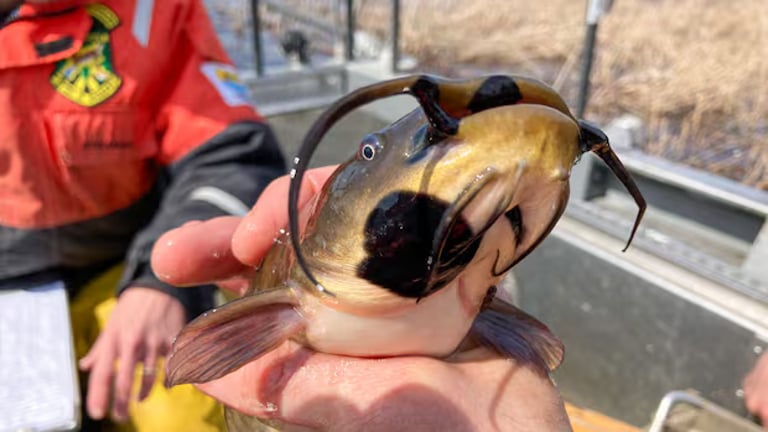

A Nature study reports the first known case of a transmissible cancer in fish, with melanoma-like tumours in brown bullhead catfish from Lake Memphremagog spanning Quebec and Vermont, showing tumour cells that are similar across different fish.
Researchers say the exact transmission mechanism remains unknown, though hypotheses point to opportunities during spawning or environmental reservoirs, and questions persist about how the cancer evades immune defenses.
This work builds on previous transmissible cancers in dogs, Tasmanian devils, and certain bivalves, but represents a newly demonstrated case in fish.
Although not a direct human health threat, the findings could inform cancer research and immunology by illustrating how cancers might adopt parasite-like lifecycles through genomics.
Investigations are also considering environmental factors such as elevated metals, arsenic, and PFAS as possible contributors to susceptibility, though causal links have not been proven.
Experts say the study has broad implications for cancer biology, including immune evasion, cross-host invasion, and potential relevance to human cancer research in the future.
Screening found no specific viral or microbial pathogen; the tumor cells themselves appear to be the transmissible agent, not an external pathogen.
No viral or toxin cause was identified; whole-genome sequencing points to transmissible cancer cells rather than an infectious agent.
Arsenic exposure and spawning-related hormonal changes may influence susceptibility, and researchers plan broader sampling to understand spread and origins.
The discussion emphasizes comparing transmission modes across species and the need for wider sampling to understand origin, spread, ecological impact, and potential containment.
The study raises the possibility that transmissible cancers might be more common than previously thought, warranting further investigation.
Whole-genome sequencing shows tumor cells are clonally related across fish and differ from hosts, supporting a transmissible cancer rather than independent tumors, with evidence that transmission may occur during grouping or contact in spawning.
Summary based on 7 sources
Get a daily email with more Science stories
Sources
Gizmodo • Jul 22, 2026
Scientists Discover the First-Ever Contagious Cancer in Fish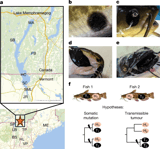
Nature • Jul 22, 2026
Brown bullhead catfish melanoma represents a novel transmissible cancer
Nature • Jul 22, 2026
Rare contagious cancer discovered in wild catfish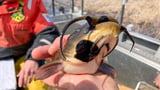
CBC • Jul 22, 2026
'Rare' contagious cancer found in fish from Quebec and U.S. lakes